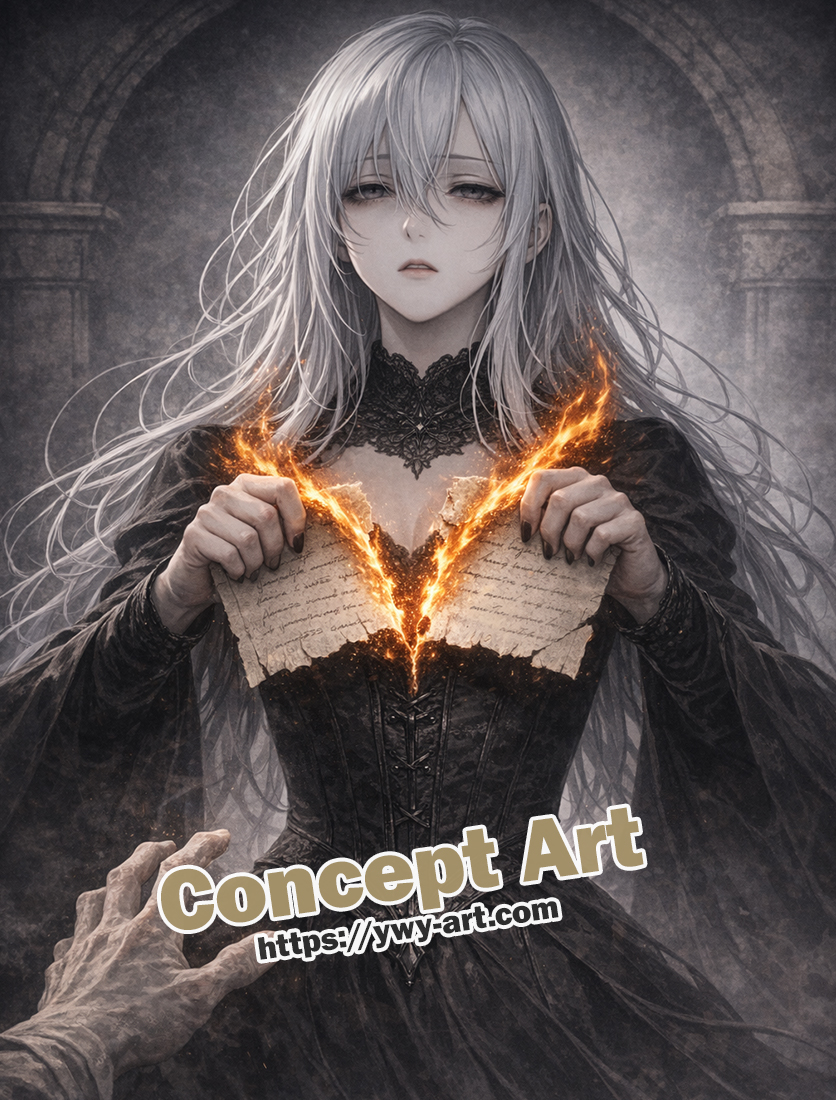
Lilith is a mythological figure associated with independence, rebellion, and primal feminine power, embodying the refusal to submit and the awakening of forbidden identity.
- Basic Profile
- Overview
- Characteristics
- Symbolism and Meaning
- Quick Creative Reference
- Compare with Similar Deities
- The Woman Who Refused
- The Meaning of Forbidden Awakening
- The Scene Depicted in This Artwork
- Symbolism and Visual Elements
- Coloring Variations
- Coloring Tips
- Japanese Summary
- リリスという存在
- 禁断の覚醒というテーマ
- このイラストの表現意図
- 塗りのポイント
- Explore Our Coloring Book Series
Basic Profile
| Name | Lilith |
|---|---|
| Mythology | Mesopotamian / Jewish folklore |
| Gender | Female |
| Region | Near East |
| Era | Late Antiquity (folkloric development) |
| Domain | Independence, Rebellion, Desire, Shadow Self |
| Symbol | Night, wings, darkness, gaze, forbidden presence |
| Culture / Religion | Mesopotamian and Jewish mythological tradition |
| Main Role | Embodiment of refusal, autonomy, and primal feminine identity |
| Associated Figures | Adam (tradition), night spirits |
| Common Depiction | A dark feminine figure standing outside order and control |
| Alignment | Independent / Transgressive |
| Creative Reference Use | Dark feminine archetypes, forbidden characters, anti-heroine design |
Overview
Lilith is one of the most complex figures in mythological tradition. Unlike many divine beings, she is not defined by a role assigned to her. Instead, she is defined by what she refuses.
In later folklore, Lilith is said to have left Eden because she would not submit to Adam. This act transforms her into a symbol of independence and exile at the same time. She is not cast out simply as a villain. She becomes something outside structure itself.
Characteristics
- Represents independence and refusal of submission
- Associated with night, shadow, and hidden desire
- Exists outside structured systems and authority
- Often portrayed as calm, confident, and untouchable
- Embodies the forbidden or suppressed self
Symbolism and Meaning
Lilith symbolizes autonomy taken to its absolute form. She does not negotiate, and she does not return. In mythological interpretation, she represents the moment where identity is chosen over belonging.
This makes her especially powerful in visual storytelling. She is not conflict in motion, but separation already completed. That distance creates tension, because she stands beyond control, beyond acceptance, and beyond reconciliation.
Quick Creative Reference
| Best For | Dark feminine characters, anti-heroines, forbidden archetypes, independence themes |
|---|---|
| Visual Keywords | Black hair, pale skin, wings, shadow, red accents, gaze |
| Mood | Cold, confident, distant, seductive, untouchable |
| Useful Themes | Rebellion, identity, exile, autonomy, forbidden existence |
Compare with Similar Deities
| Name | Mythology | Main Domains | Overall Image |
|---|---|---|---|
| Lilith | Mesopotamian / Jewish | Independence, Rebellion | Refusal and autonomy embodied |
| Hecate | Greek | Magic, Crossroads | Guide of hidden paths |
| Ishtar | Mesopotamian | Love, War, Power | Dominant and passionate force |
The Woman Who Refused
Lilith’s defining moment is not an act of violence, but an act of refusal. She does not fight to stay. She leaves. That decision is what defines her identity.
Because of this, her presence is inherently unsettling. She represents a choice that cannot be undone, and a position that cannot be reintegrated into order.
The Meaning of Forbidden Awakening
“Forbidden Awakening” represents the moment when identity becomes conscious. It is not imposed from outside. It emerges from within.
This awakening is often portrayed as dangerous not because it is evil, but because it cannot be controlled once it begins.
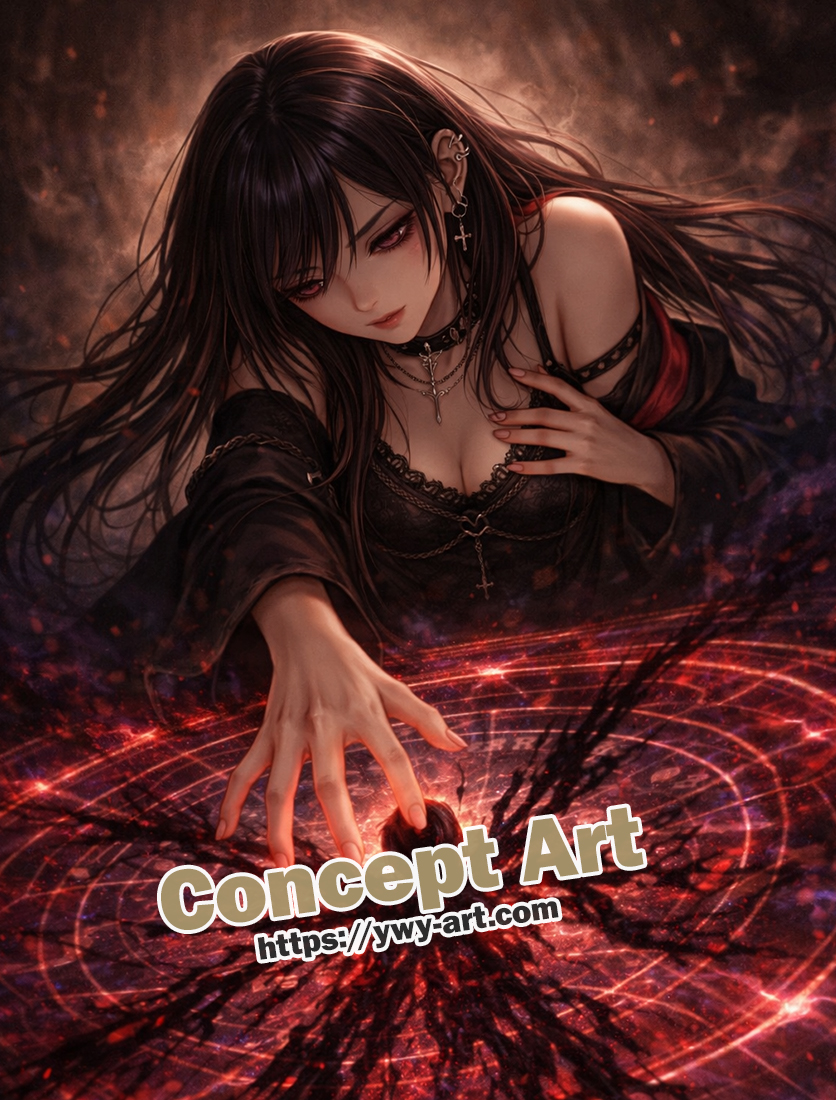
The Scene Depicted in This Artwork
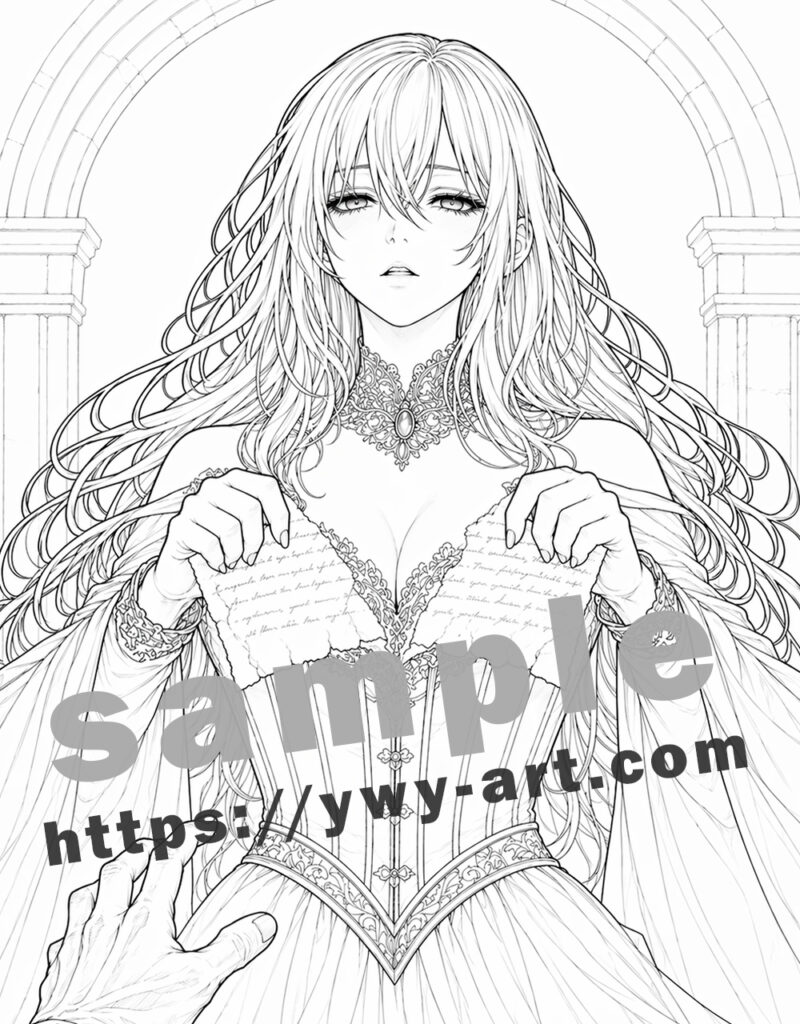
This illustration captures Lilith in a state of still awareness. She is not acting, transforming, or reacting. She is already awakened.
Her posture is relaxed, her gaze steady, and her presence dominant without effort. The scene emphasizes that nothing needs to happen. Everything has already changed.
Symbolism and Visual Elements
The composition relies on contrast between stillness and tension. Her hair, wings, or surrounding elements may suggest motion, but her expression anchors the image in control.
Dark tones dominate the palette, but selective highlights—especially around the eyes or subtle red accents—create focal points that reinforce her presence.
Coloring Variations
- Dark Elegance Style: Black, deep red, and pale skin for contrast
- Shadow Style: Dark gray and muted tones for subtle presence
- Forbidden Glow Style: Add faint red or violet highlights
Coloring Tips
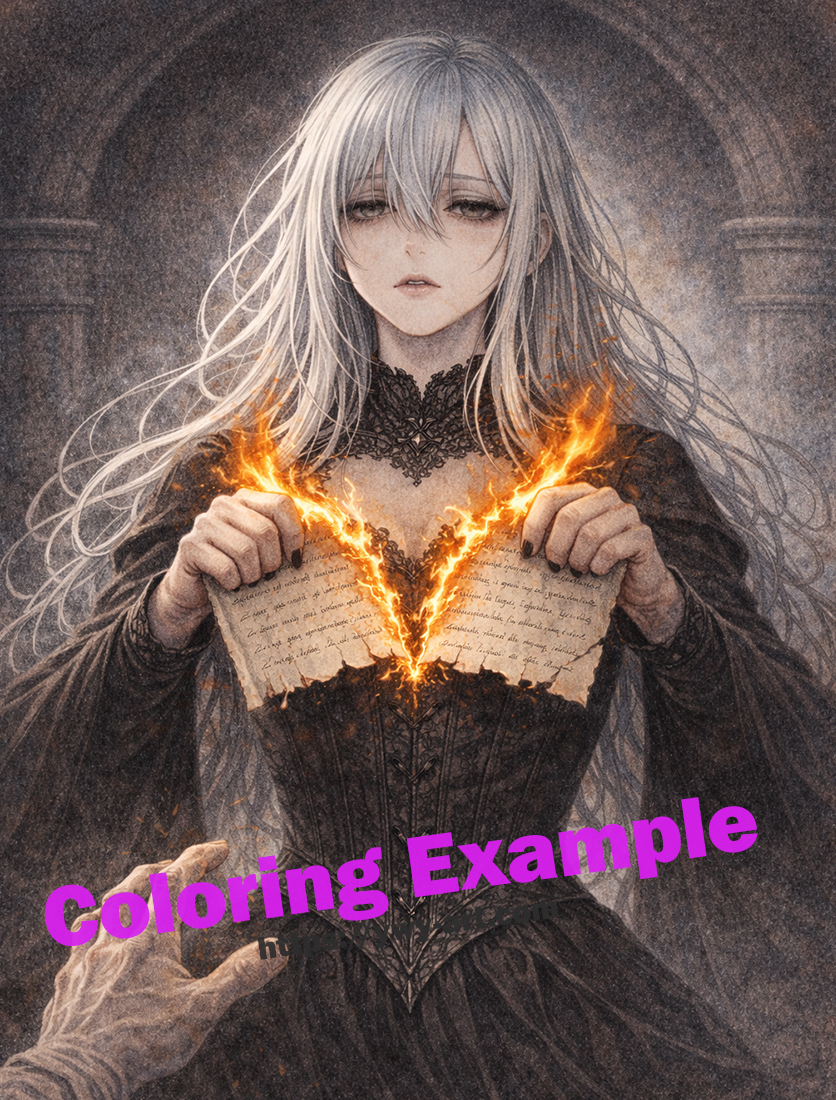
Avoid over-coloring. Lilith works best with restraint. Use contrast between pale skin and dark surroundings to create presence.
Hair should not be filled with flat black. Build depth with dark gray and subtle highlights.
Red accents should be minimal but intentional. Too much will weaken the tension.
Leave parts of the background unfinished to maintain atmosphere and focus.
Japanese Summary
リリスは神話の中でも特異な存在であり、役割ではなく「拒絶」によって定義されるキャラクターです。従うことを拒み、自らの意思で秩序の外へ出たことで、彼女は独立と孤立を同時に象徴する存在となりました。
そのためリリスは悪ではなく、「選択の結果」として描く方が本質に近くなります。そこに彼女の静かな強さと不気味さがあります。
リリスという存在
リリスの特徴は戦わないことです。彼女は従わず、そして去る。その選択によってすべてが決まります。
この構造によって、彼女は行動ではなく「状態」として存在するキャラクターになります。ここが最大の特徴です。
禁断の覚醒というテーマ
このテーマは変化の瞬間ではなく、「すでに変わってしまった状態」を描いています。覚醒とは外から与えられるものではなく、自分の中で確定するものです。
そのため、この作品では動きよりも静けさが重要になります。
このイラストの表現意図
本作ではリリスを動かさず、すでに完成した存在として描くことで、他のキャラクターとは違う圧を出しています。
視線、姿勢、余白によって、何もしていないのに支配しているような印象を作るのが狙いです。
塗りのポイント
肌は明るく保ち、周囲を暗くすることで存在感を出します。髪はグラデーションで塗ると立体感が出ます。
赤はアクセントとして使いすぎないことが重要です。少量で強く効かせると完成度が上がります。
背景は塗り切らず余白を残すことで、静けさと緊張感が保たれます。
Explore Our Coloring Book Series
Explore the full series and discover more goddesses.
Step into the world of mythology..
Available on Amazon Dark Ritual Goddesses of Mythology Coloring Book Open in a new tab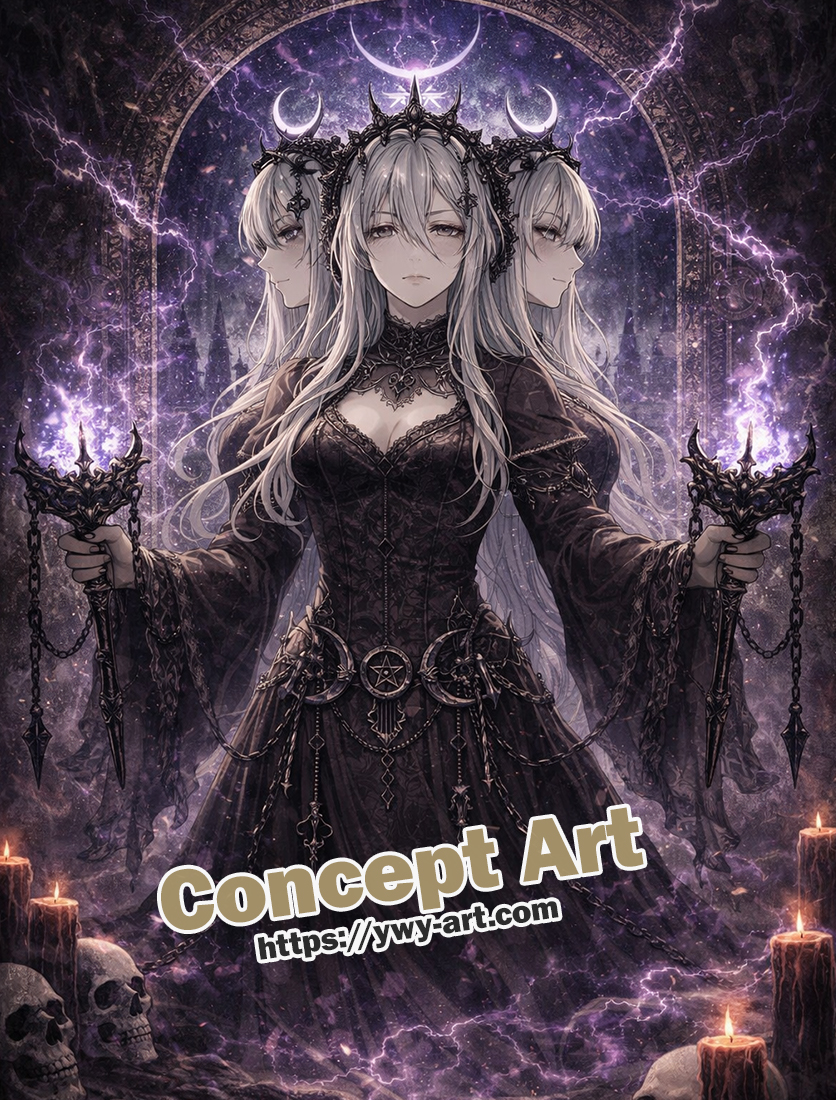
コメント