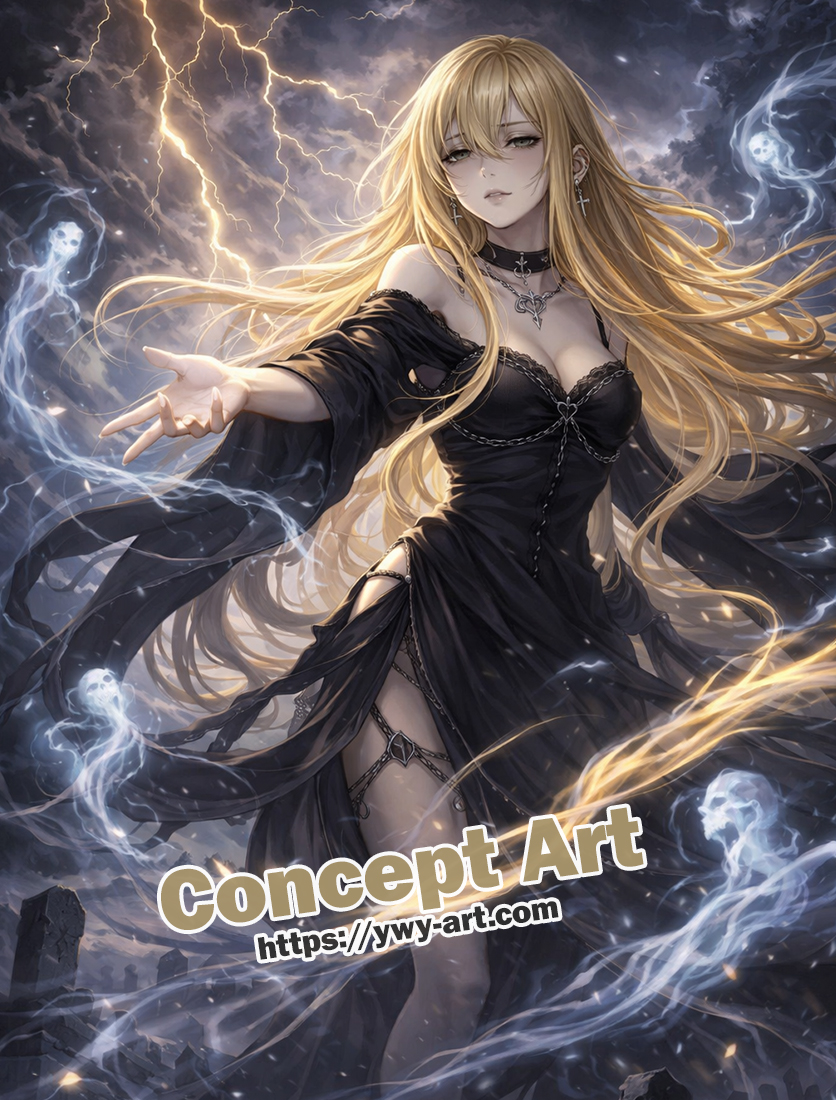
Storm of the Dead – Oya
She does not rage. She moves. The storm follows.
Basic Profile
| Name | Oya |
|---|---|
| Mythology | Yoruba Mythology |
| Gender | Female |
| Region | West Africa (Nigeria) |
| Era | Ancient to Present (Living Tradition) |
| Domain | Storms, Wind, Lightning, Death, Transformation |
| Symbol | Buffalo Horns, Whirlwind, Lightning, Cemetery Gates |
| Culture / Religion | Yoruba Religion |
| Main Role | Guardian of the cemetery and guide of souls |
| Associated Deity | Shango (god of thunder) |
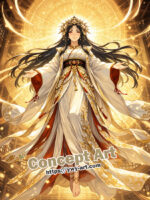
| Common Depiction | A fierce yet composed woman surrounded by storms and spirits |
| Alignment | Chaotic Neutral (Force of Change) |
| Creative Reference | Storm goddess, psychopomp, embodiment of transition |
Overview
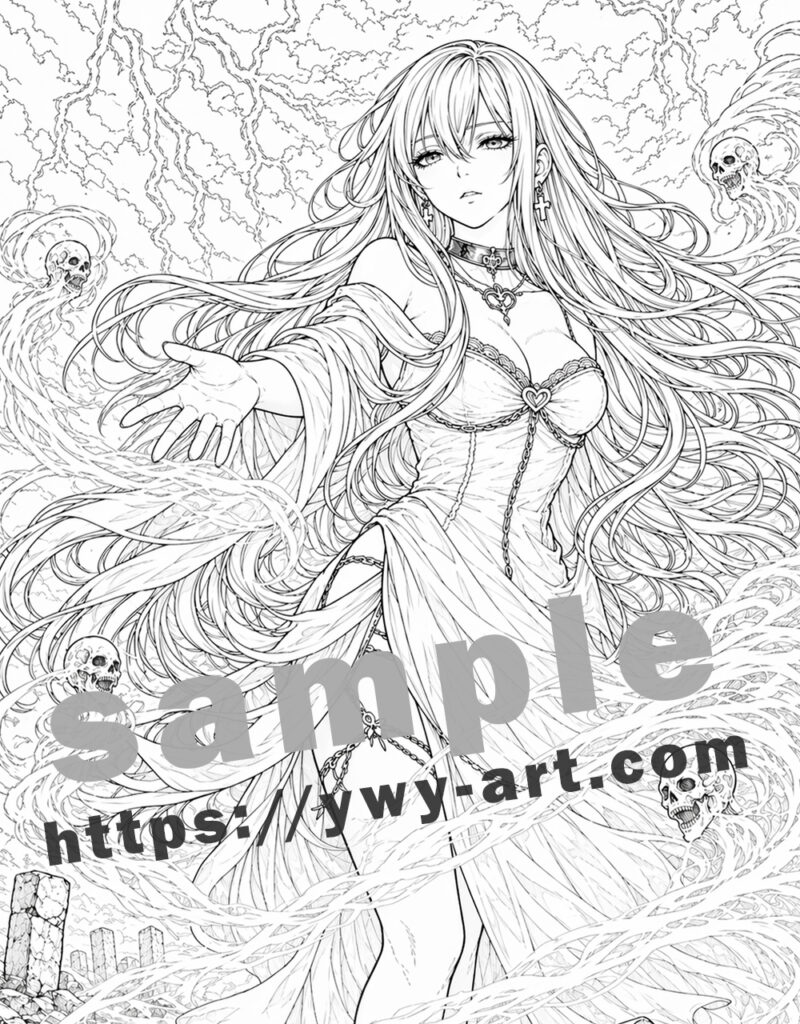
Oya is a powerful goddess of wind, storms, and transformation in Yoruba mythology. She stands at the threshold between life and death, guiding souls through the gates of the afterlife. Unlike deities associated purely with destruction, Oya represents motion, change, and the unstoppable force that carries all things forward.
Her presence is felt in sudden winds, violent storms, and moments of transition. She is both feared and respected, not for cruelty, but for her role in maintaining the balance between endings and new beginnings.
Characteristics
- Embodiment of wind and violent storm energy
- Guardian of the boundary between life and death
- Symbol of rapid change and transformation
- Calm presence within chaotic environments
- Associated with movement, transition, and rebirth
Symbolism and Meaning
Oya symbolizes the inevitability of change. Storms in her mythology are not random destruction, but necessary forces that clear the old and make way for the new. Her connection to the cemetery reflects her role as a guide rather than a destroyer.
The swirling wind represents unseen movement, while lightning symbolizes sudden realization and transformation. Together, they form a visual language of transition, power, and renewal.
Quick Creative Reference
| Best For | Dynamic compositions, storm scenes, transformation themes |
|---|---|
| Visual Keywords | Storm, wind flow, lightning, spirits, motion lines |
| Mood | Calm within chaos, powerful, ethereal |
| Useful Themes | Death and rebirth, transition, natural force, spiritual guidance |
Compare with Similar Deities
| Name | Mythology | Main Domains | Overall Image |
|---|---|---|---|
| Sekhmet | Egyptian | War, destruction, sun | Explosive divine rage and destruction |
| Kali | Hindu | Time, death, destruction | Chaotic, overwhelming, annihilating force |
| Hel | Norse | Underworld, death | Cold, still, inevitable end |
The Goddess of Storm and Passage
Oya does not simply control storms; she is the storm itself. Her presence transforms the environment, bending wind and energy into motion. In visual interpretation, this allows for flowing compositions where every line leads back to her.
This creates a natural structure for illustration, where movement and direction become key elements of storytelling.
The Calm Within Chaos
Unlike many storm deities, Oya is not consumed by rage. She remains composed, almost detached, as the storm unfolds around her. This contrast enhances her presence and establishes her as a higher force beyond emotion.
In art, this contrast between stillness and motion becomes a powerful focal device.
Guiding the Dead
Oya’s role as a guide of souls adds a spiritual layer to her imagery. The spirits that follow her are not victims, but travelers in transition. This transforms the scene from horror into something more symbolic and meaningful.
Representing spirits as flowing forms rather than rigid figures reinforces this idea of movement.
Storm as Transformation
The storm is not an end. It is a passage. Every gust of wind and flash of lightning signals change. Oya embodies this cycle, making her a symbol of evolution rather than destruction.
This concept allows for deeper thematic interpretation in both art and storytelling.
Coloring Variations
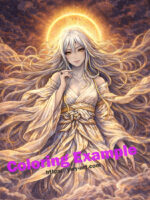
- Golden Storm: Warm gold hair with yellow lightning accents for a radiant storm effect
- Cold Tempest: Silver hair with blue-gray winds for a colder, distant atmosphere
- Twilight Storm: Purple and dark tones for a mystical, otherworldly mood
Coloring Tips
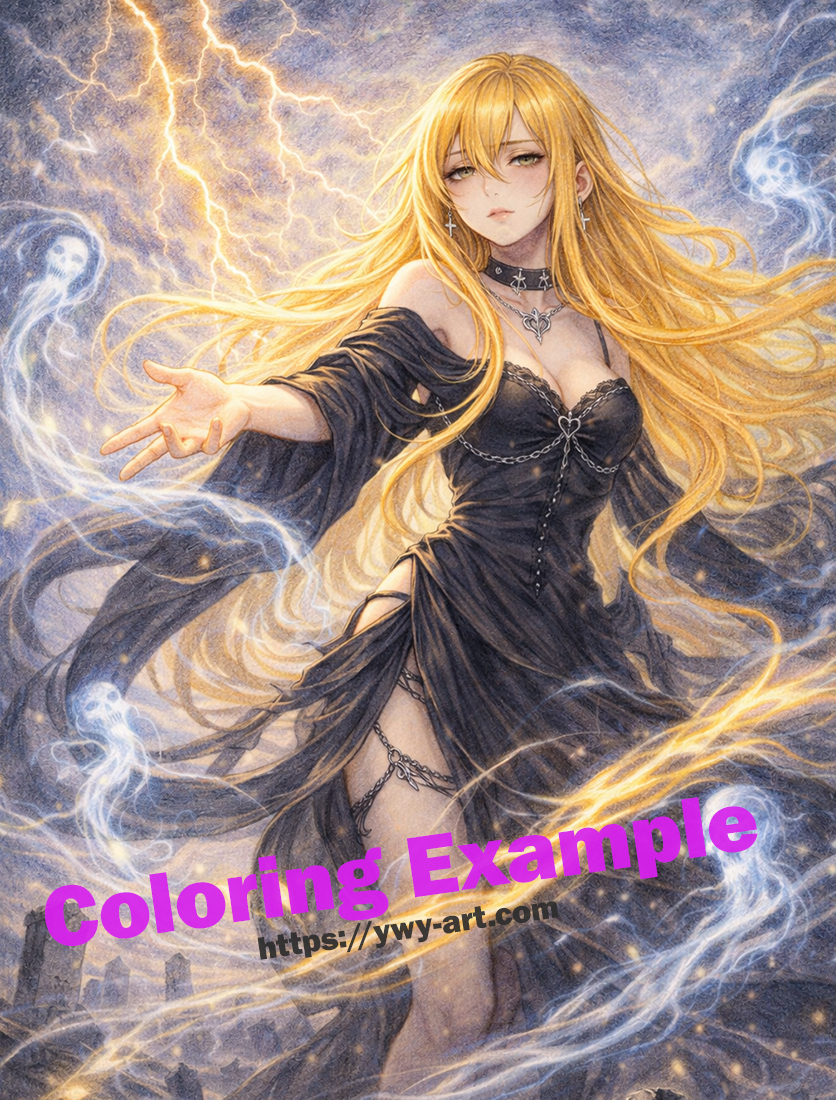
Begin with the character to establish the focal point, then gradually expand outward into the storm. Keeping the character slightly more saturated will naturally draw attention.
Use soft gradients in the wind and spirits to create motion. Avoid hard edges to maintain flow.
Add strong highlights to lightning elements to create contrast and energy across the composition.
Japanese Summary
オヤはヨルバ神話に登場する嵐と風、そして死と再生を司る女神です。墓地の門を守り、魂を導く存在として知られ、破壊ではなく変化と循環を象徴しています。
本作では、嵐の中で静かに立ち続けるオヤと、彼女に導かれる魂の流れを表現しています。動きと静けさの対比が大きな魅力となっています。
嵐の女神としての存在
オヤは嵐を操るのではなく、嵐そのものとして描かれる存在です。風や雷の動きがそのまま彼女の力を示しています。
そのため、画面全体の流れを意識することで、より自然な構図になります。
静と動の対比
激しい嵐の中でも、オヤ自身は非常に静かな表情を保っています。この対比がキャラクターの強さを引き立てます。
人物と背景のバランスを意識することで、より印象的な仕上がりになります。
魂を導く存在
周囲を漂う魂は恐怖ではなく、移動や変化の象徴です。柔らかい流れとして表現することで世界観が整います。
風と一体化させることで自然な流れを作ることができます。
塗りのポイント
まず人物から塗り始めることで全体の軸が安定します。その後、風や魂を淡い色で重ねることで奥行きを出せます。
雷部分に明るい色を入れることで画面全体にメリハリが生まれます。
Explore Our Coloring Book Series
Discover more dark goddesses and mythological figures in our collection.
Each illustration is designed for immersive and satisfying coloring experiences.
Explore the full series and find your next masterpiece.
Step into the world of mythology..
Available on Amazon Dark Ritual Goddesses of Mythology Coloring Book Open in a new tab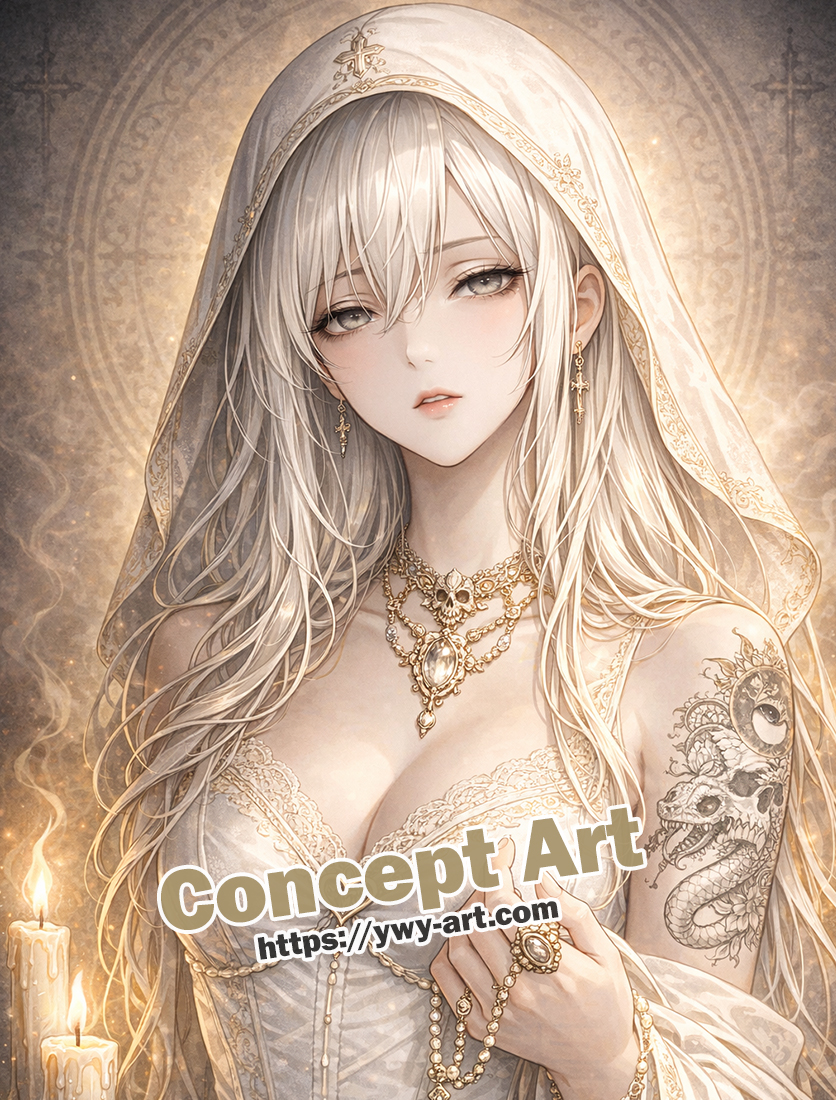


コメント