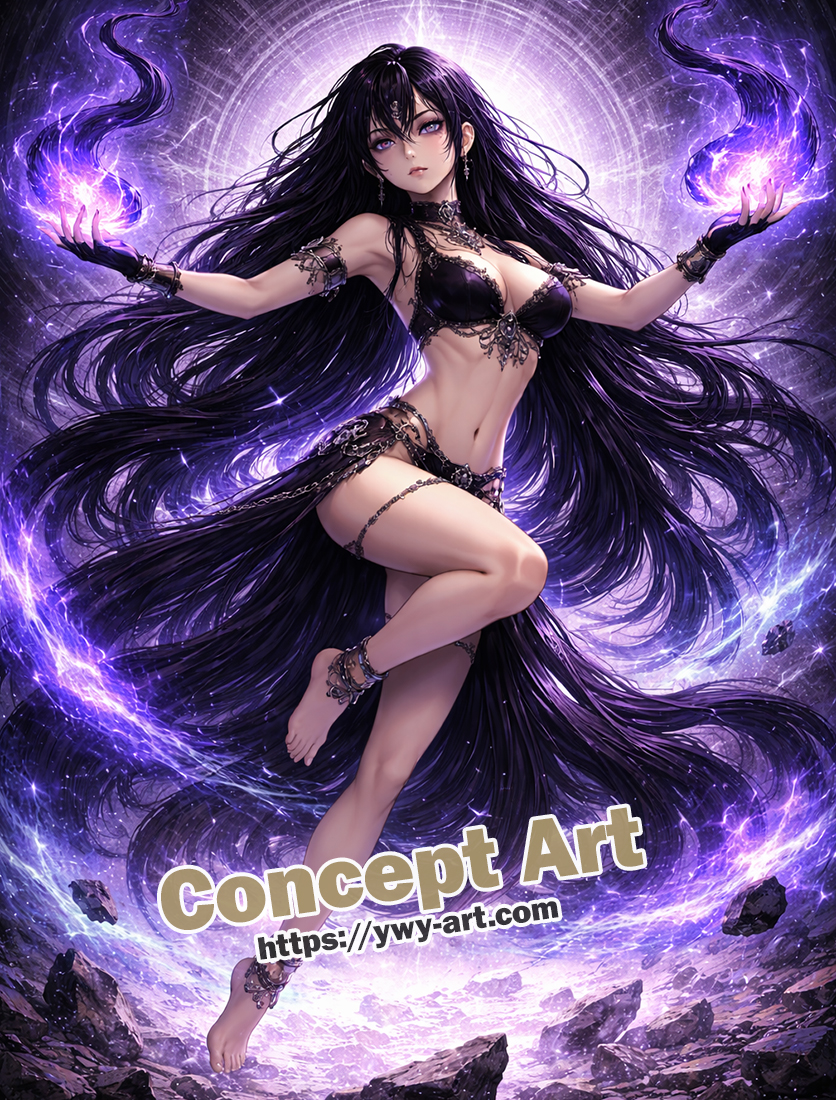
Kali is a Hindu goddess of destruction, transformation, and liberation, embodying the moment when old forms collapse so that something new can begin.
- Basic Profile
- Overview
- Characteristics
- Symbolism and Meaning
- Quick Creative Reference
- Compare with Similar Deities
- The Goddess of Necessary Endings
- The Meaning of the Dance of Destruction
- The Scene Depicted in This Artwork
- Symbolism and Visual Elements
- Coloring Variations
- Coloring Tips
- Japanese Summary
- カリという存在
- 破壊の舞というテーマ
- このイラストの表現意図
- 塗りのポイント
- 掲載中の塗り絵本シリーズ
Basic Profile
| Name | Kali |
|---|---|
| Mythology | Hindu |
| Gender | Female |
| Region | Indian subcontinent |
| Era | Ancient |
| Domain | Destruction, Transformation, Time, Liberation |
| Symbol | Mandala, flowing hair, divine energy, darkness |
| Culture / Religion | Hindu tradition |
| Main Role | Destroyer of what must end and force of transformation |
| Associated Deities | Shiva, Durga, Parvati |
| Common Depiction | A powerful goddess surrounded by flowing energy or dancing within divine force |
| Alignment | Transformative / Absolute |
| Creative Reference Use | Cosmic destroyers, divine dancers, transformation archetypes |
Overview
Kali is often described as a goddess of destruction, but her meaning goes far beyond simple violence. She appears when balance has already collapsed, and something false or stagnant must come to an end.
Her role is not chaos, but transformation. By destroying what no longer belongs, she creates the conditions for renewal. This makes her one of the most powerful symbolic figures for change, inevitability, and liberation.
Characteristics
- Goddess of destruction as part of a natural cycle
- Represents transformation rather than meaningless violence
- Appears when balance has already been lost
- Often portrayed with calm authority rather than rage
- Embodies unstoppable and necessary change
Symbolism and Meaning
Kali represents the end of what must no longer continue. Her destruction is not random—it is purposeful and necessary. She removes what blocks the next stage of existence.
Her duality is what makes her powerful. She is overwhelming, yet controlled. Her calm expression within immense energy creates a strong contrast that defines her visual identity.
Quick Creative Reference
| Best For | Dark divine characters, transformation scenes, cosmic entities |
|---|---|
| Visual Keywords | Mandala, black hair, violet energy, blue glow, circular motion |
| Mood | Controlled, intense, sacred, inevitable |
| Useful Themes | Transformation, destruction, liberation, inevitability |
Compare with Similar Deities
| Name | Mythology | Main Domains | Overall Image |
|---|---|---|---|
| Kali | Hindu | Destruction, Transformation | Divine renewal through destruction |
| Sekhmet | Egyptian | War, Destruction | Solar wrath and force |
| Morrigan | Celtic | Fate, Death | Battle outcome and inevitability |
The Goddess of Necessary Endings
Kali represents endings that must happen. She does not destroy out of anger alone, but because something can no longer continue.
This makes her different from many destructive figures. She is not chaos—she is correction.
The Meaning of the Dance of Destruction
The dance is not uncontrolled movement, but perfect balance within power. Everything around her flows naturally, as if destruction itself is part of a greater order.
This is why her presence feels inevitable rather than violent. She marks the transition between states of existence.
The Scene Depicted in This Artwork
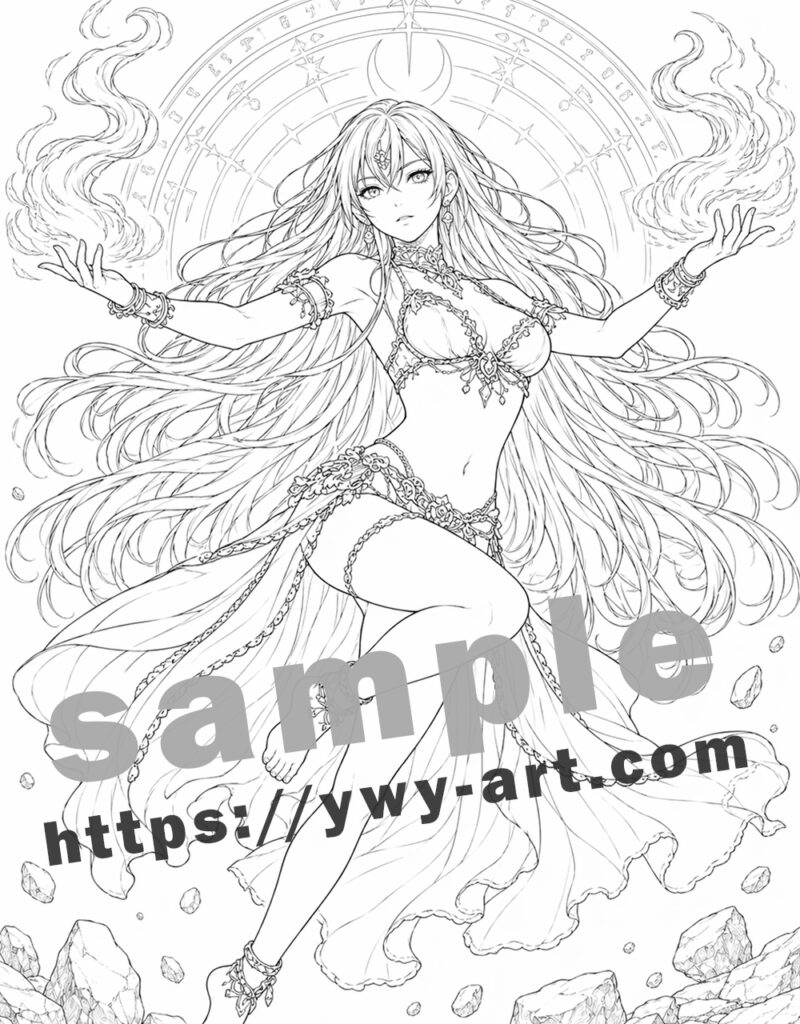
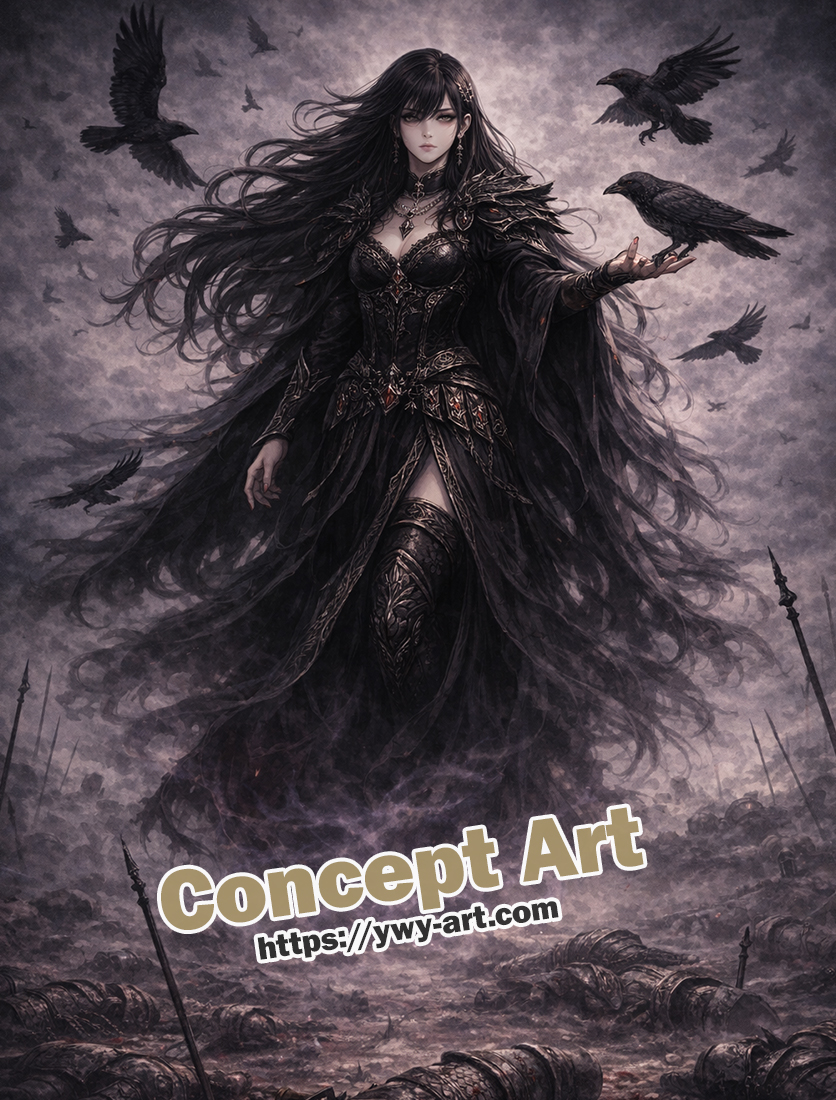
This artwork shows Kali surrounded by flowing energy and circular motion. The structure suggests both movement and control, creating a balance between chaos and order.
Her calm expression reinforces the idea that her power is absolute and does not require effort or emotion.
Symbolism and Visual Elements
The circular composition guides the eye naturally and creates harmony within complexity. Her hair, energy flow, and mandala structure all reinforce the idea of controlled transformation.
The image avoids pure chaos and instead presents destruction as part of a larger cycle.
Coloring Variations
- Divine Energy Style: Violet and blue with bright highlights
- Dark Style: Indigo and black with muted tones
- Mandala Style: Magenta and cyan accents with layered gradients
Coloring Tips
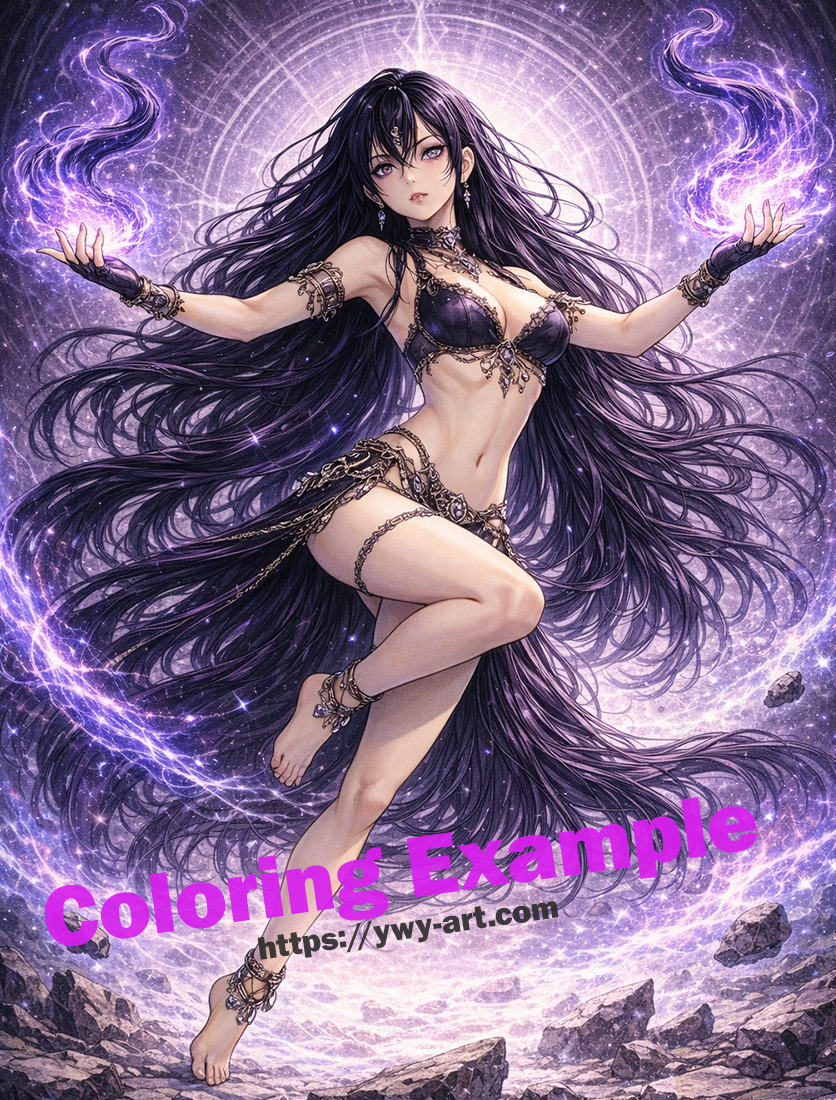
Start from large areas to maintain balance. Build color gradually instead of applying strong tones at once.
Use long strokes for the hair to preserve movement. Avoid filling it with solid black.
For energy effects, build color from the outside inward. Purple and blue combinations work especially well.
Leave parts of the background lighter to enhance contrast and keep focus on the character.
Japanese Summary
カリはヒンドゥー神話における破壊と変化の女神であり、単なる暴力ではなく、不要なものを終わらせることで新しい流れを生み出す存在です。
そのためカリは恐怖だけでなく、必然性と変化の象徴として描かれることが多く、創作においても非常に扱いやすいテーマを持っています。
カリという存在
カリは混乱を起こす存在ではなく、すでに崩れたバランスを終わらせるために現れます。彼女は流れに反応するのではなく、流れそのものを決定づける存在です。
そのため彼女の力は感情ではなく、必然として表現されます。
破壊の舞というテーマ
この作品では破壊を恐怖ではなく循環の一部として描いています。終わりは次の始まりへの移行です。
激しさではなく制御された力として表現することで、カリの本質に近づけています。
このイラストの表現意図
本作ではエネルギーの流れと静かな表情の対比によって、絶対的な支配と変化の必然性を表現しています。
動きのある構図の中に秩序を持たせることがポイントです。
塗りのポイント
髪は黒ベタにせずグラデーションで塗ると自然な動きが出ます。
エネルギー部分は外側を薄く中心を濃くすると奥行きが出ます。紫と青の組み合わせが特に有効です。
背景は塗り切らず余白を残すことで主役が引き立ちます。
掲載中の塗り絵本シリーズ
Explore the full series and discover more goddesses.
Step into the world of mythology..
Available on Amazon Dark Ritual Goddesses of Mythology Coloring Book Open in a new tab
コメント