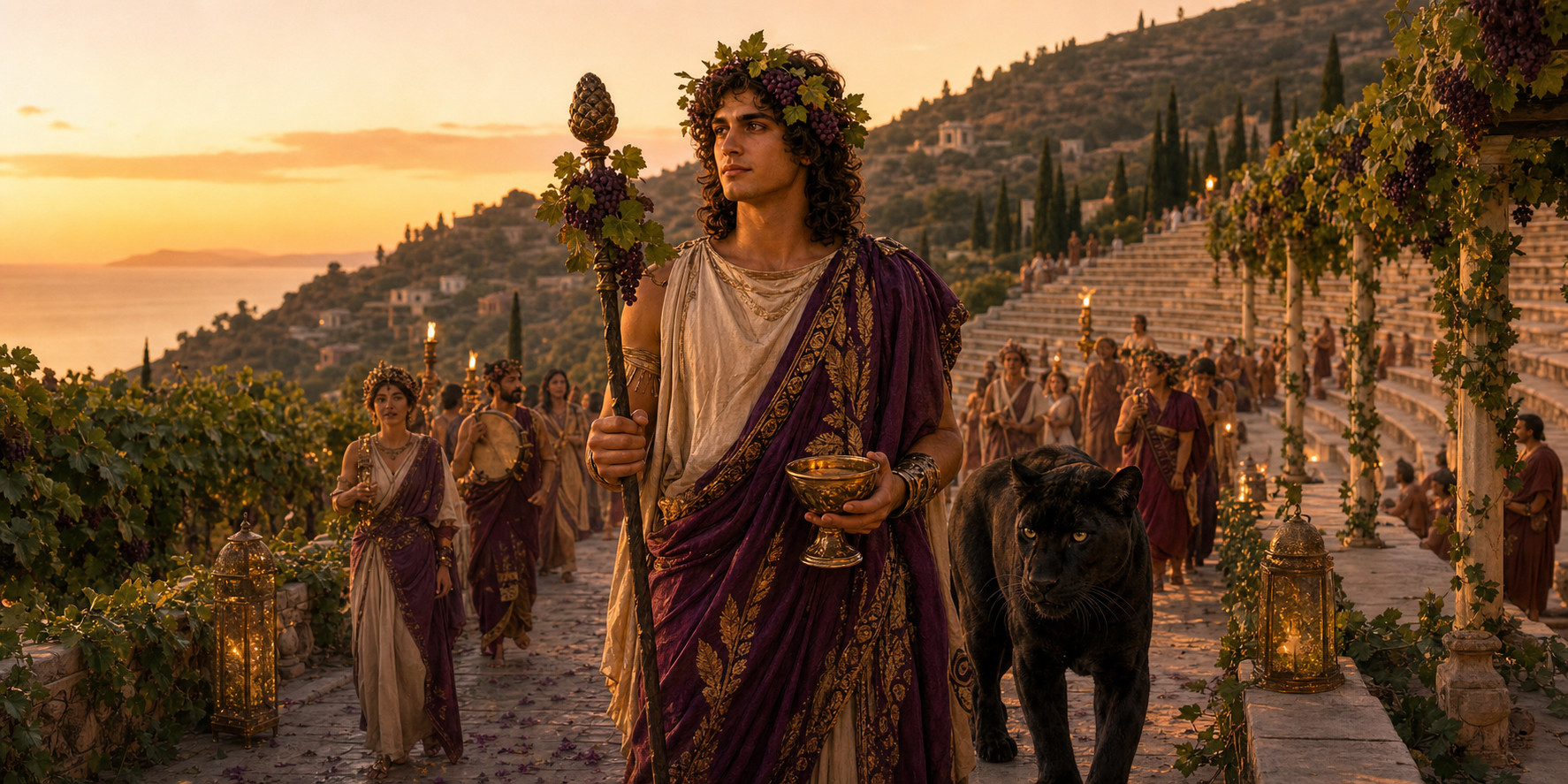
The twice-born god who turns vine, mask, festival, and altered identity into both gift and revelation.
- Ariadne
- Cadmus
- Semele
- Theater
- Thebes
- Wine
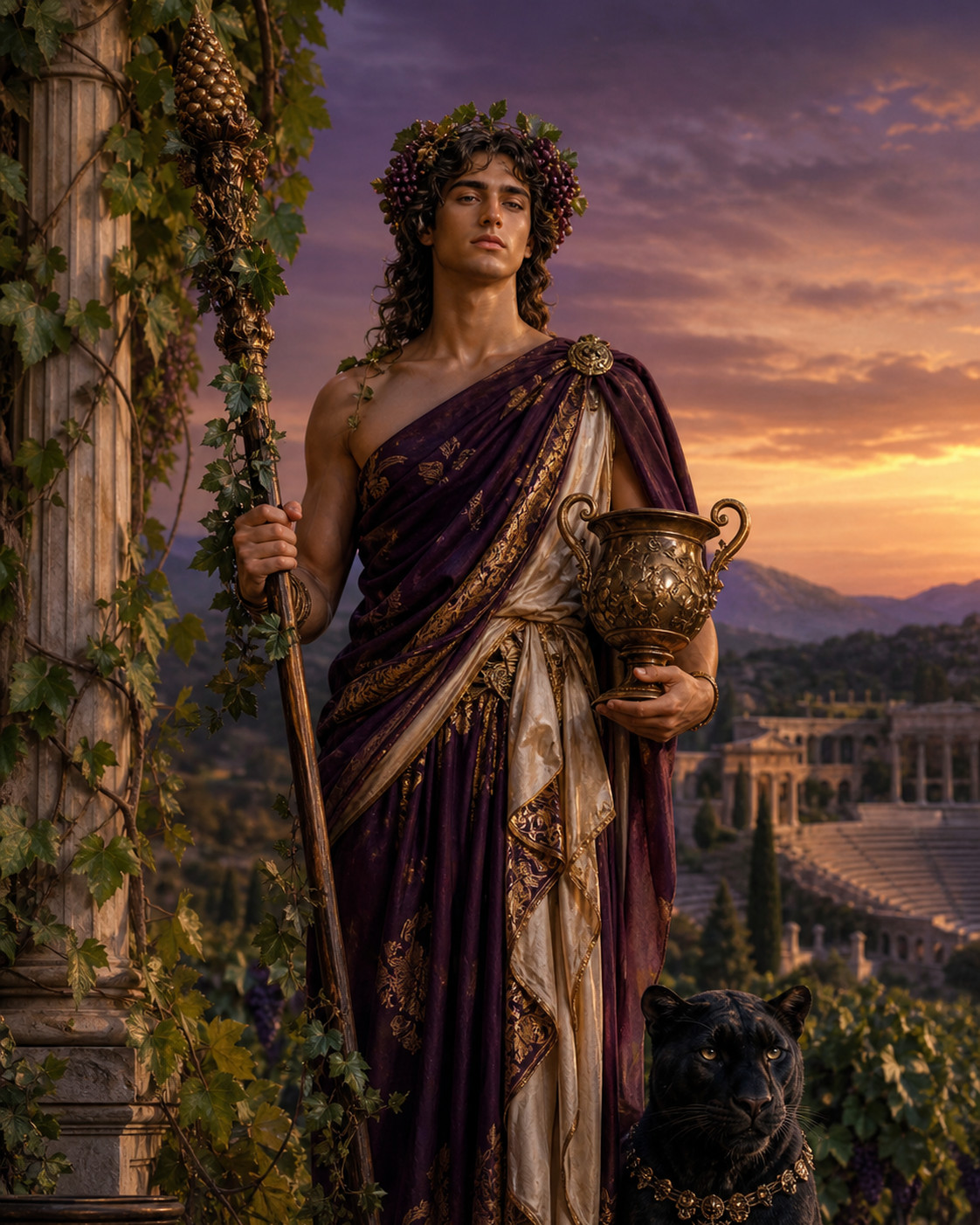
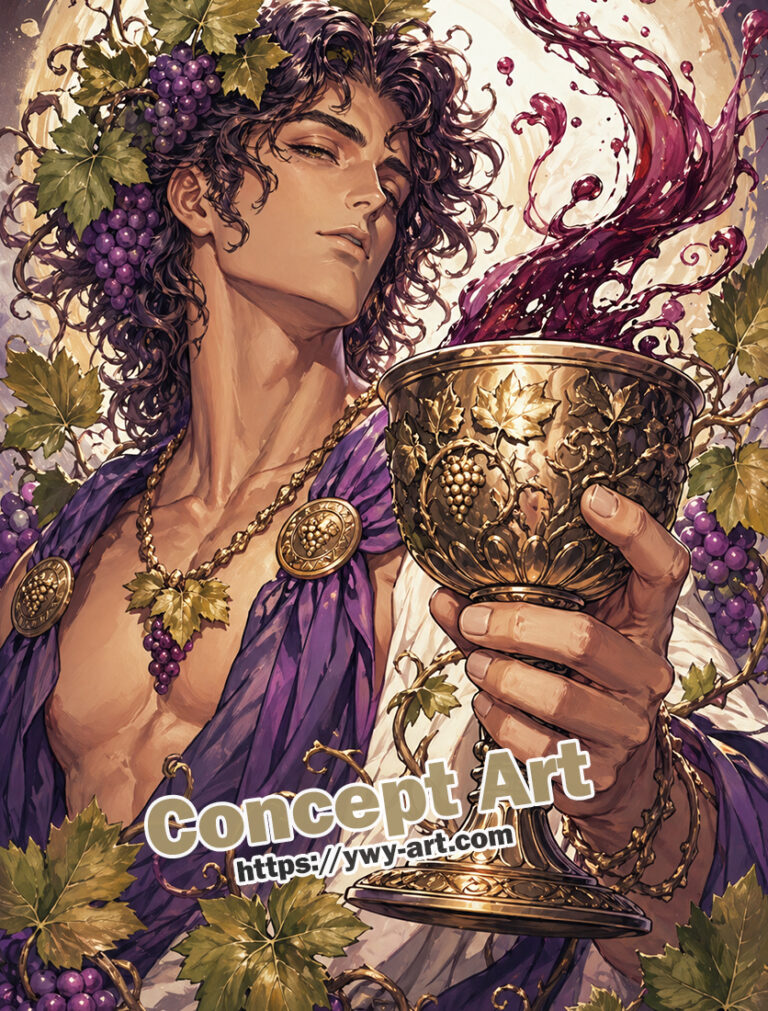
Dionysus is the twice-born son of Zeus and Semele, god of wine, vines, theater, procession, ecstasy, and transformation. His return to Thebes forces the house of Cadmus to recognize a divine family member it had denied.
Greek Mythology Timeline
Move through broad mythic ages and open the events that connect one story to the next. The sequence is a reading path, not an exact historical calendar.
Dionysus is the Olympian god of wine, the vine, ecstatic transformation, theater, masks, procession, and forms of religious experience that loosen ordinary boundaries. He is born from the Theban princess Semele and Zeus, hidden from Hera, raised through shifting local traditions, and repeatedly forced to reveal his divinity to people who treat him as foreign or false. His gifts bring joy, fertility, performance, and community, but his myths also show madness, dismemberment, and the danger of refusing limits. Dionysus cannot be reduced to drunken celebration: he is a god of changed identity, disciplined ritual, and the unsettling truth that civilization needs controlled spaces in which people become other than their daily selves.
Son of Zeus and Semele
Semele is a daughter of Cadmus and Harmonia at Thebes. Hera, learning of Zeus’s relationship with her, persuades Semele to demand that Zeus appear in divine splendor. Bound by his promise, Zeus comes with lightning, and the mortal princess is destroyed by the revelation.
Zeus rescues the unborn Dionysus and sews him into his thigh until a second birth. The story makes the god both mortal-born and born from Zeus. Titles such as Twice-Born express a status that crosses the boundary between human dynasty and Olympian family.
Hidden Childhood
Hermes carries the infant to caregivers whose identities vary. Ino and Athamas, the nymphs of Nysa, and other regional nurses appear in different traditions. Disguise, transformation, and movement protect the child from Hera’s anger.
No single map can contain Nysa, because ancient communities located it in several distant regions. The variation fits a god whose arrival is repeatedly described as both local and foreign. Dionysus belongs to Thebes by birth yet returns as someone the city struggles to recognize.
Wine and the Vine
Dionysus discovers or teaches cultivation of the grapevine and the making of wine. Wine can relieve grief, support feasting, mark sacrifice, and bind a group together. It can also destroy judgment when taken without measure. The god embodies both capacities rather than guaranteeing harmless pleasure.
His imagery includes ivy, grape clusters, drinking vessels, the thyrsus, panthers, bulls, goats, and processional companions. These are not decorative accessories alone. They signal vegetation, seasonal return, animal vitality, performance, and the altered state produced by his presence.
The Pirates and the Dolphins
The Homeric Hymn tells how Tyrrhenian pirates seize a beautiful youth and plan to sell him. Their bonds fall away, vines cover the ship, and the captive reveals terrifying animal power. The sailors leap into the sea and become dolphins, while the helmsman who recognized divinity is spared.
The episode compresses a recurring Dionysian pattern: a stranger is misidentified, restraint fails, the ordinary environment changes, and recognition comes too late for those committed to exploitation. Mercy remains possible for the person who sees and warns.
Return to Thebes
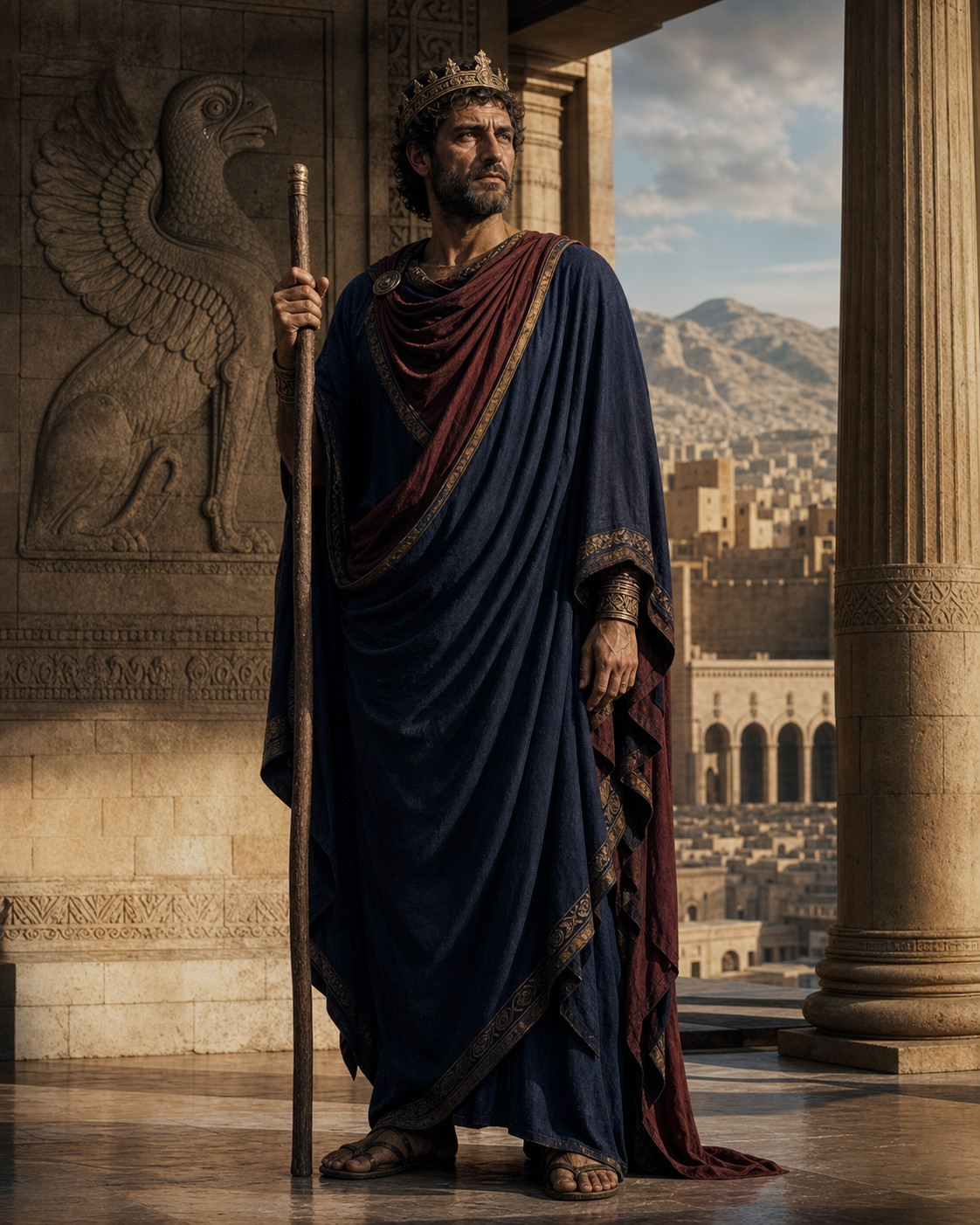
In Euripides’ Bacchae, Dionysus returns to Thebes because his mother’s sisters deny Semele’s union with Zeus and Pentheus rejects the new worship. The god appears in human disguise, allows himself to be captured, and leads the king into spying on the Bacchants.
Pentheus is killed by the frenzied group, with his mother Agave taking the leading role before recognition returns. Cadmus must face the ruin of his house while acknowledging the god. The tragedy refuses an easy division between rational city and irrational wilderness: denial and divine punishment both become catastrophic.
Masks, Theater, and Procession
Athenian dramatic festivals were celebrated for Dionysus, joining civic organization with tragedy, comedy, music, competition, and procession. Theater allows actors and audiences to cross identities while remaining within a structured event.
The mask is therefore an ideal Dionysian object. It hides a face and makes another presence visible. The god’s religious world is not disorder without form; choruses, rhythms, costumes, routes, and festival calendars organize transformation so a community can experience it together.
Madness and Release
Dionysus can send madness against opponents, but he is also called a releaser. Ecstasy may break social restraint, grief, or fixed identity, while divine punishment shows what happens when change becomes coercive and unbounded. Ancient worship contained many local forms and cannot be reconstructed from one literary scene.
This double movement explains his range. He is youthful and ancient, gentle and terrifying, Theban and foreign, male yet presented with fluid beauty, a god of public festival and secret initiation. Contradiction is not noise around Dionysus; it is central to his power.
Ariadne and Olympus
The most famous partner of Dionysus is Ariadne, whom he finds or receives after Theseus leaves her. Versions differ over Naxos, her mortality, and the order of events, but Dionysian marriage transforms abandonment into divine connection.
Dionysus also descends for Semele and brings her to the gods under the name Thyone in later mythographic tradition. The mortal mother once destroyed by divine presence gains an Olympian future through her son, completing his movement between death, birth, and recognition.
What Dionysus Changes
Dionysus reveals how identities depend on context. King can become prey, captive can become god, abandoned woman can become divine bride, and ordinary citizens can become chorus. His myths warn against both absolute refusal and careless surrender.
Follow him toward Zeus and Hera for divine family, Cadmus and Thebes for mortal ancestry, and future routes toward Semele, Pentheus, Ariadne, maenads, theater, and the thyrsus. His network can connect religion, art, city, landscape, and transformation across Project Mythos.
Trivia
- The Homeric Hymn turns Dionysus’s kidnappers into dolphins.
- Ancient communities located the god’s childhood mountain Nysa in several regions.
- Athenian tragedy and comedy were performed within festivals of Dionysus.
YWY Artwork Connection
Explore coloring pages and studio articles connected to this mythology entry.