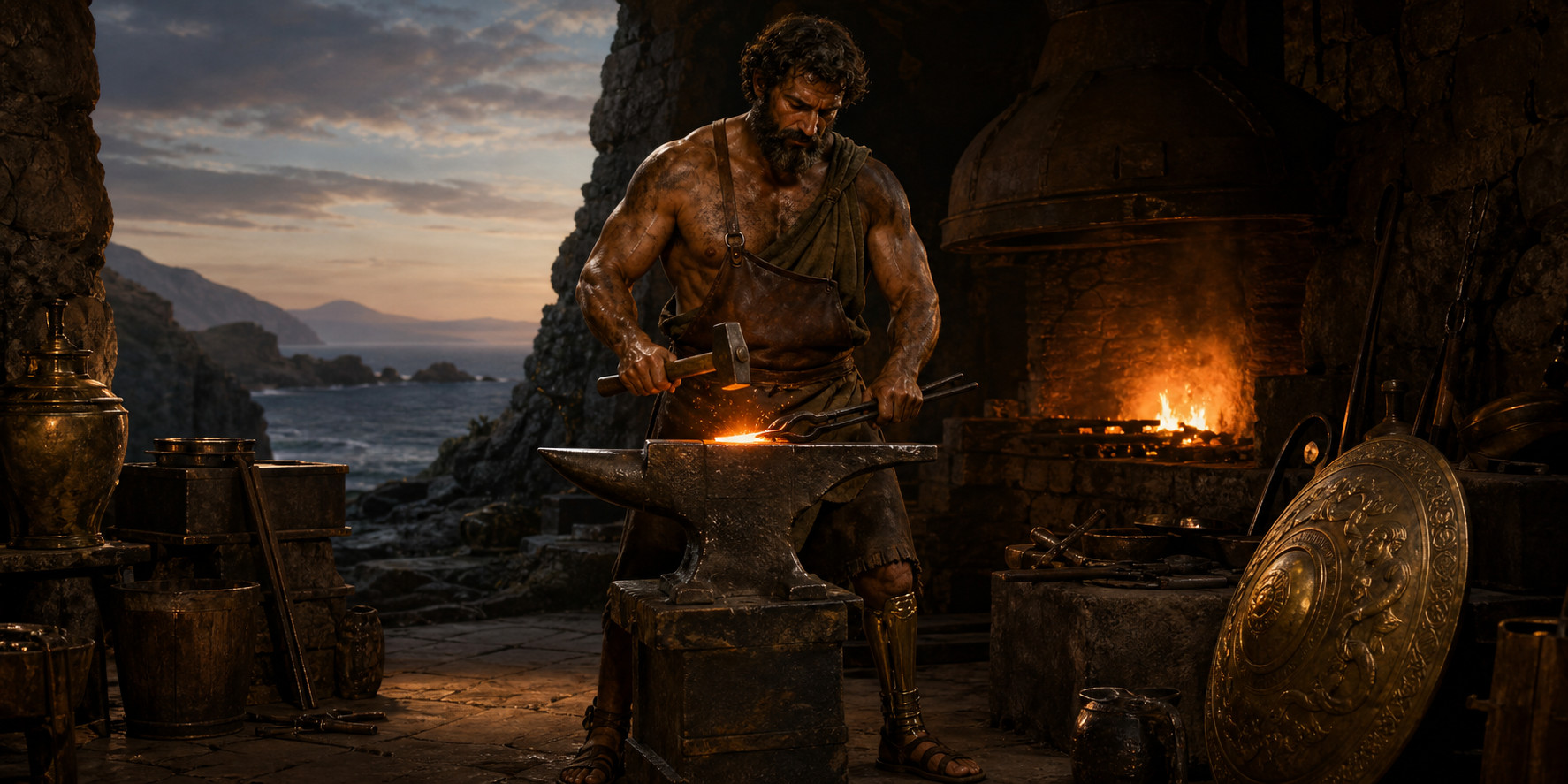
The rejected smith whose objects make strength, beauty, kingship, and Olympus depend on his intelligence.
- Aphrodite
- Ares
- Athena
- Cyclopes
- Forge
- Hera
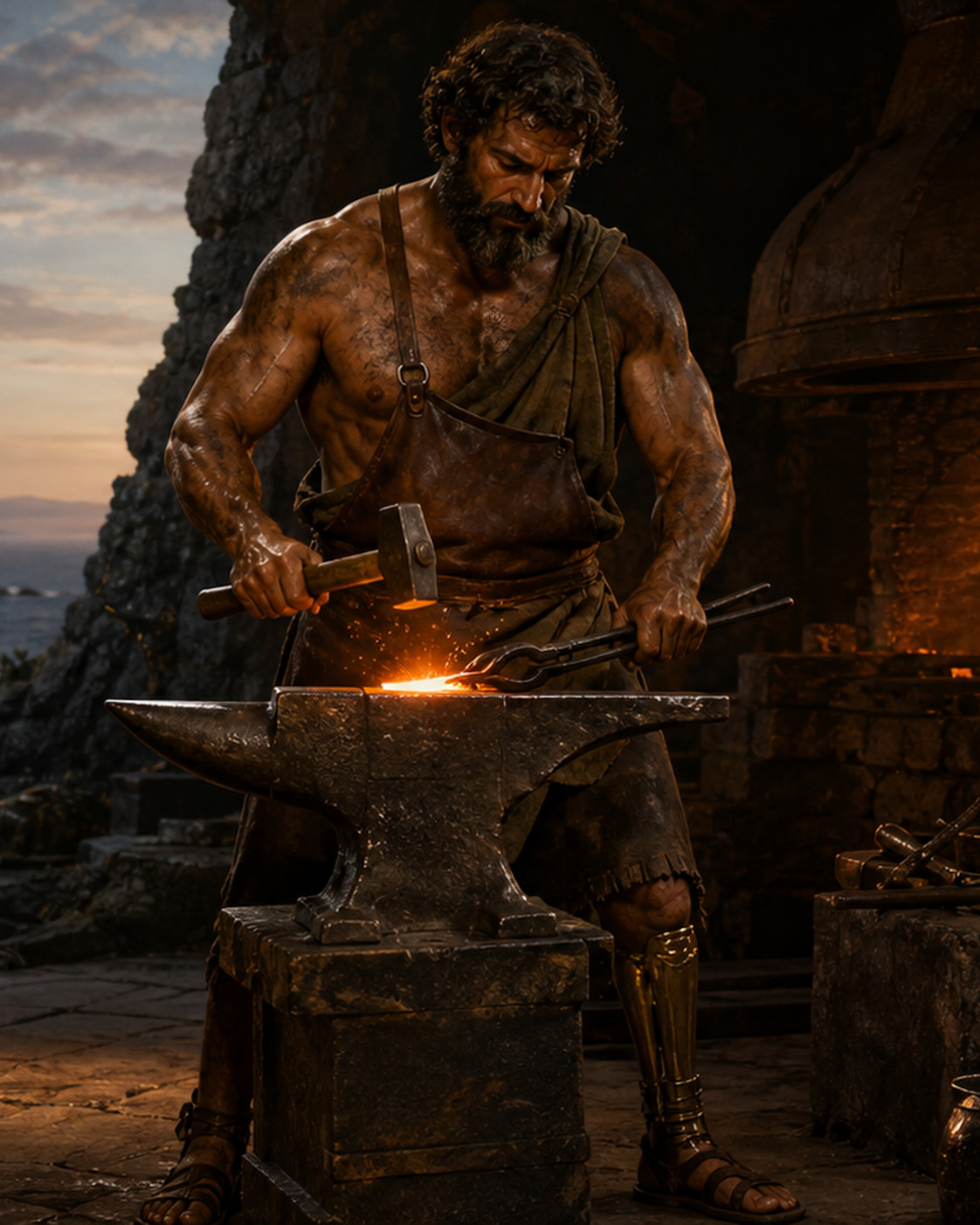
Hephaestus builds Olympian halls, armor, traps, and self-moving works. Sources disagree about his father and fall, but agree that the mocked craftsman becomes indispensable.
Greek Mythology Timeline
Move through broad mythic ages and open the events that connect one story to the next. The sequence is a reading path, not an exact historical calendar.
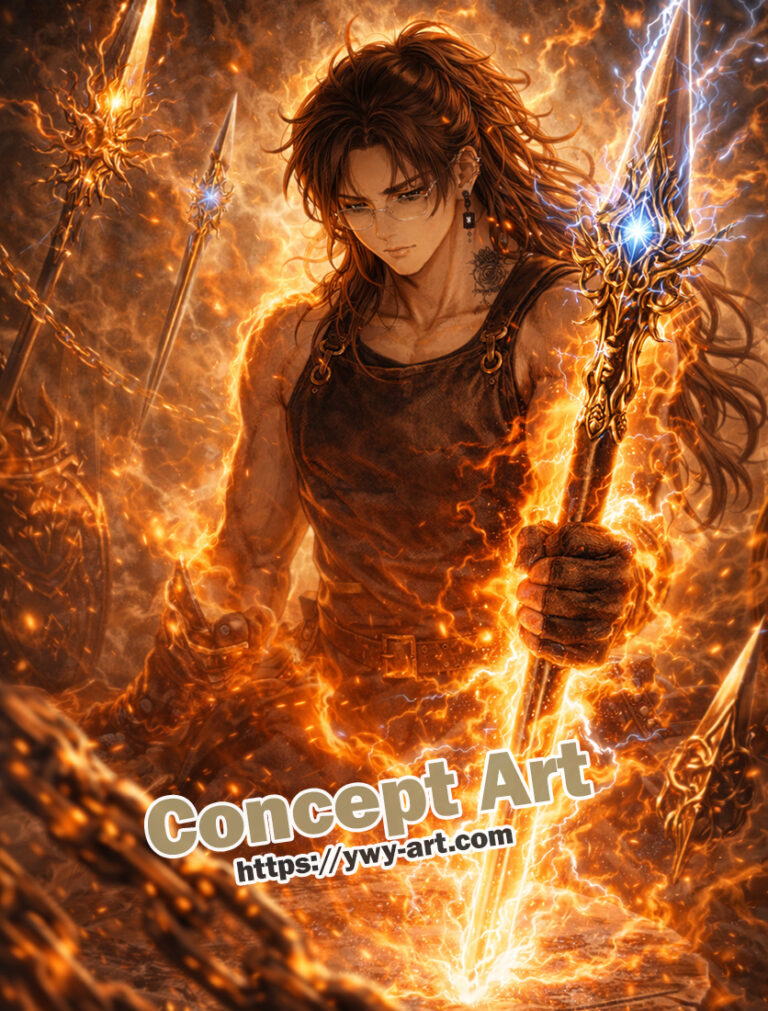
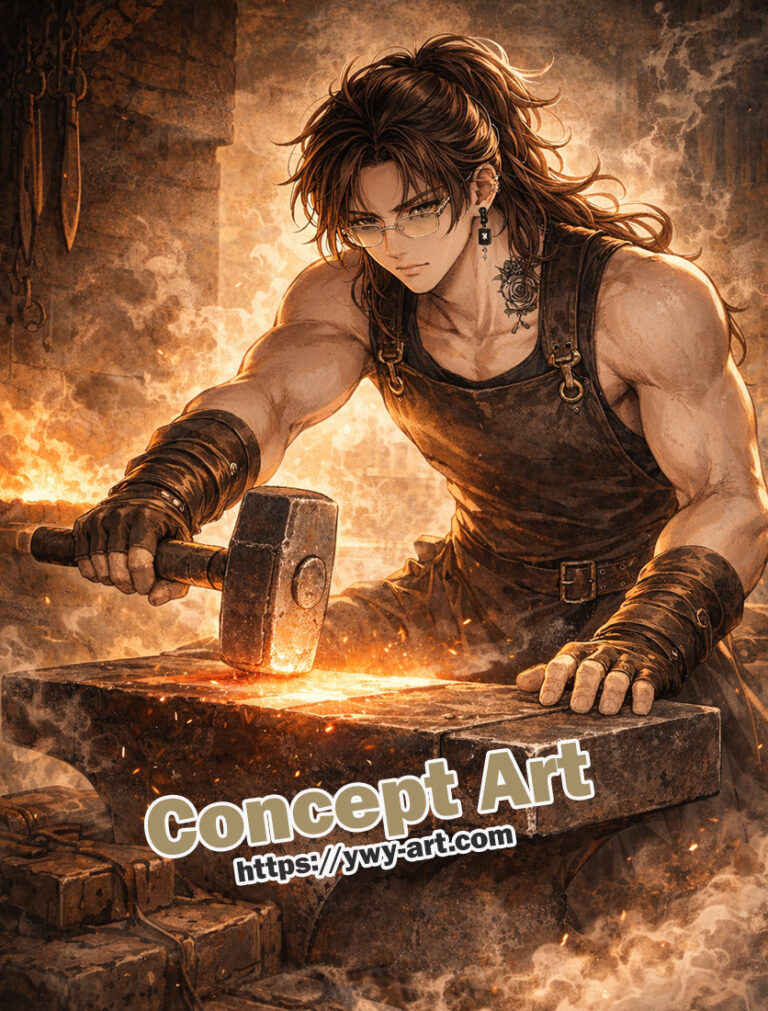
Hephaestus is the Greek god who turns fire, metal, motion, and intelligence into objects that change the lives of gods and heroes. He builds Olympian halls, armor, jewelry, traps, and automated helpers. Sources make bodily difference central but disagree about his parentage and fall from heaven. Craft is never secondary decoration: the forge is where force becomes designed power and where a god dismissed for his body makes Olympus depend on his hands.
Two Birth Traditions
Hesiod says Hera bears Hephaestus without sexual union after Zeus produces Athena. The Homeric Hymn to Apollo has Hera call the weak-footed child a disgrace and cast him into the sea. Birth is tied to divine rivalry and maternal rejection.
The Iliad can call him son of Zeus and Hera. It also preserves distinct falls: Hephaestus remembers Zeus throwing him down after he aided Hera, while another line blames Hera and his legs. Parentage and fall must remain explicit variants.
Rescue and Lemnos
After falling, Hephaestus is received by Thetis and Eurynome in one Iliadic memory and works secretly beneath the sea. Elsewhere he lands on Lemnos and is cared for by the Sintians. The island becomes a strong sacred geography, joined later by volcanic workshops.
The fosterage stories reverse rejection. Goddesses or communities beyond Olympus recognize value the divine household ignored. He returns not as a healed imitation of other gods, but with mastery powerful enough to reorganize his place among them.
The Throne of Hera
A widespread tradition says Hephaestus sends Hera a brilliant throne that traps her. No god can release her. Dionysus finally brings the smith back to Olympus, often after making him drunk and leading a comic procession. Craft compels the family to negotiate with the excluded child.
Details vary and are especially visible in vase painting. The tale establishes a recurring pattern: a beautiful object contains an unseen mechanism, and anyone judging only its surface surrenders power to the maker.
Aphrodite and Ares
In the Odyssey, Hephaestus learns that Aphrodite and Ares meet in his house. He fashions bonds too fine to see, traps them on the bed, and summons the gods. Pain, comedy, and legal language mix as he demands the return of marriage gifts.
Marriage traditions differ: the Iliad names Charis as his wife, Hesiod names Aglaea, and the Odyssey uses Aphrodite. The net remains essential because intelligence defeats speed and strength through a structure invisible until it closes.
Maker of Divine Equipment
Hephaestus constructs palaces and fittings for Olympus and many objects associated with divine or heroic power. Athena stands near him in the conceptual world of craft, though their stories and cult relations vary. Both make intelligence material.
At Thetis’s request he forges armor for Achilles. The Iliadic shield contains sky, earth, sea, cities, fields, dances, law, war, and encircling Ocean. It is a crafted cosmos placed between a mortal warrior and approaching death.
Automata and Living Craft
The Iliad imagines golden attendants with intelligence, voice, strength, and learned skill helping him walk, along with wheeled tripods that move to assemblies. Ancient poetry uses craft to cross the boundary between object and living helper.
Calling them modern robots without qualification erases their context. Their wonder belongs to divine techne: matter organized so perfectly that it participates in intention. Movement, memory, and service become visible as design.
Fire, Labor, and the Body
Hephaestus is described through his legs, gait, and lameness. Ancient laughter can trouble modern readers, especially beside admiration for his work. The poems preserve both exclusion and indispensable expertise; difference is neither erased nor a simple moral symbol.
Visual interpretation should avoid making disability monstrous or treating it as automatic proof of genius. Olympus benefits from a craftsman it mocked or expelled. Workshop, assistants, and tools show adaptation and authority, making labor a domain that confronts hierarchy.
The Question He Opens
Follow Hephaestus toward Aphrodite and Ares for the net, Cyclopes for an older smith generation, Athena for crafted intelligence, and Aegis for questions about sacred defense. Thetis, Achilles, and Lemnos open future routes.
He asks what power becomes after design. Thunder, war, beauty, and kingship depend on objects that carry makers’ intentions. His works protect and glorify others, while his traps force them to acknowledge him. The forge is workshop and court of judgment.
Trivia
- Sources disagree whether Zeus is his father.
- The Iliad gives him intelligent golden attendants.
- His Roman counterpart is Vulcan.
Reading the Traditions
Hephaestus changes sharply with genre. Epic can make his movement a source of divine laughter and, almost immediately, make his hands responsible for the most astonishing object in the poem. Vase painting gives special prominence to the return procession and trapped throne, while local tradition ties him to Lemnos and volcanic fire. Marriage names vary, as do parentage and the agent of his fall. These differences are not defects to repair. They reveal how communities used the smith to think about exclusion, skilled labor, bodily difference, fire, and the dependence of elite power on makers. Project Mythos preserves that tension rather than turning him into a flawless modern inventor. His dignity lies in neither concealment nor compensation, but in the full coexistence of divine embodiment, skill, anger, humor, and authority.
YWY Artwork Connection
Explore coloring pages and studio articles connected to this mythology entry.