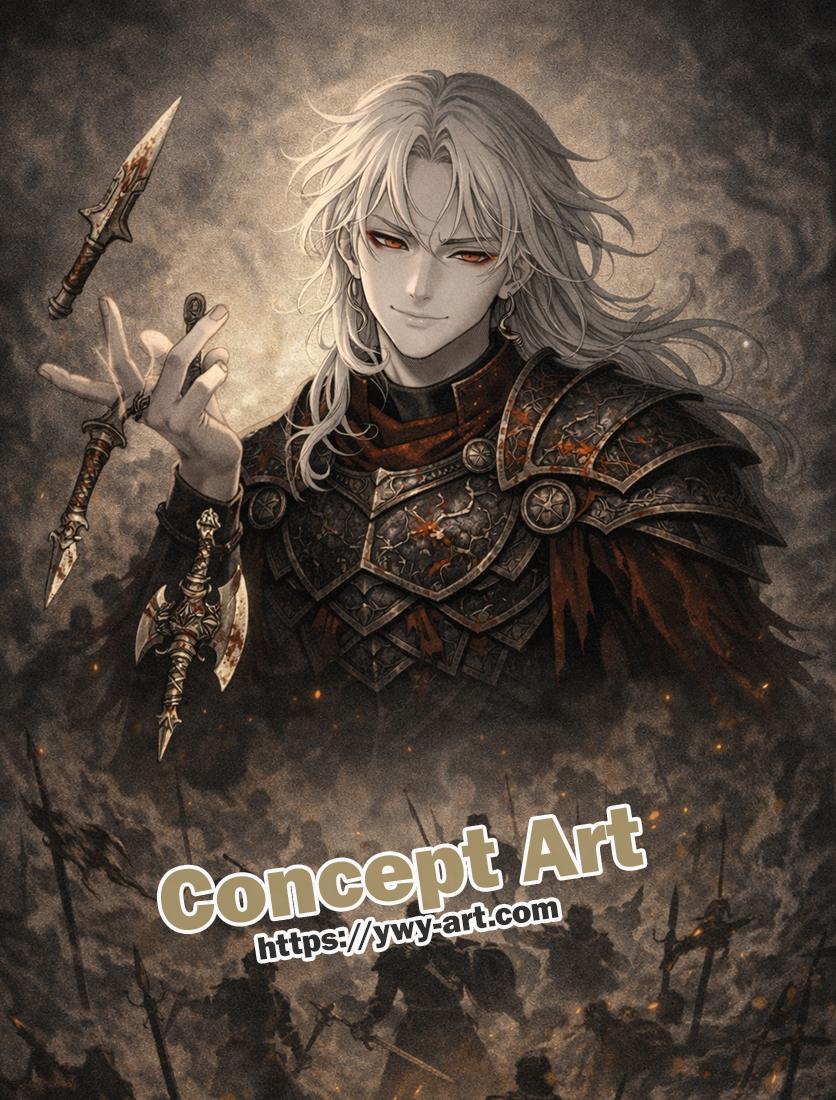
Ares — Embodiment of War
A presence that does not shout, yet commands everything. Ares stands not as a soldier among many, but as the quiet force that causes war itself to begin.
Basic Profile
| Name | Ares |
|---|---|
| Mythology | Greek |
| Gender | Male |
| Region | Ancient Greece |
| Era | Mythological Age |
| Domain | War, Violence, Conflict |
| Symbol | Spear, Sword, Shield, Blood |
| Culture / Religion | Ancient Greek Religion |
| Main Role | Embodiment of War Itself |
| Rank | Olympian God |
| Position in Titanomachy | Conceptual Force Emerging After the Rise of the Olympians |
| Associated Deity | Athena, Zeus, Enyo |
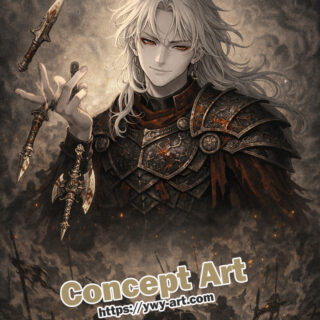
| Common Depiction | Armored warrior or calm, ominous figure surrounded by weapons |
| Alignment | Chaotic Neutral |
| Creative Reference | War as a silent, inevitable force rather than active combat |
Overview
Ares is often misunderstood as merely a god of battle, but his true nature lies deeper. He is not strategy, nor justice, nor protection. He is the raw existence of war itself—the moment conflict becomes unavoidable.
In the context of the Titanomachy, Ares represents the awakening of something inevitable. As the Olympians rise against the Titans, war is no longer a choice. It becomes a force that moves on its own, and Ares stands at the center of that shift, watching as the world descends into conflict.
Characteristics
- Represents war as an uncontrollable phenomenon rather than a decision
- Emotionally detached, calm even in the face of destruction
- Commands conflict without direct action
- Symbolizes inevitability rather than aggression
- Exists as a presence rather than a participant
Symbolism and Meaning
Ares symbolizes the moment when tension turns into violence. He is not the cause, but the threshold. Once he appears, conflict is already in motion. This makes him both terrifying and inevitable.
Within the Titanomachy, his role becomes even more abstract. He embodies the shift from divine order to chaos, from tension to open war. His presence suggests that the war between gods and Titans was not just a clash of power, but a necessary transformation of the world itself.
Quick Creative Reference
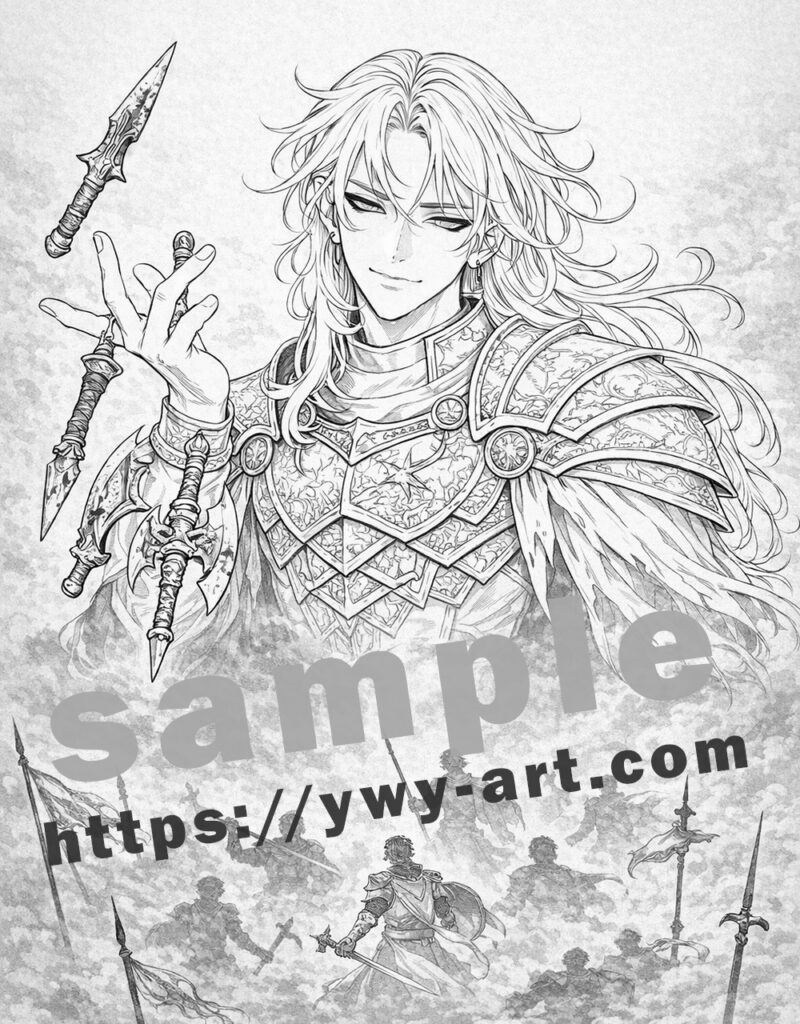
| Best For | Dark fantasy, symbolic war themes, calm dominance |
|---|---|
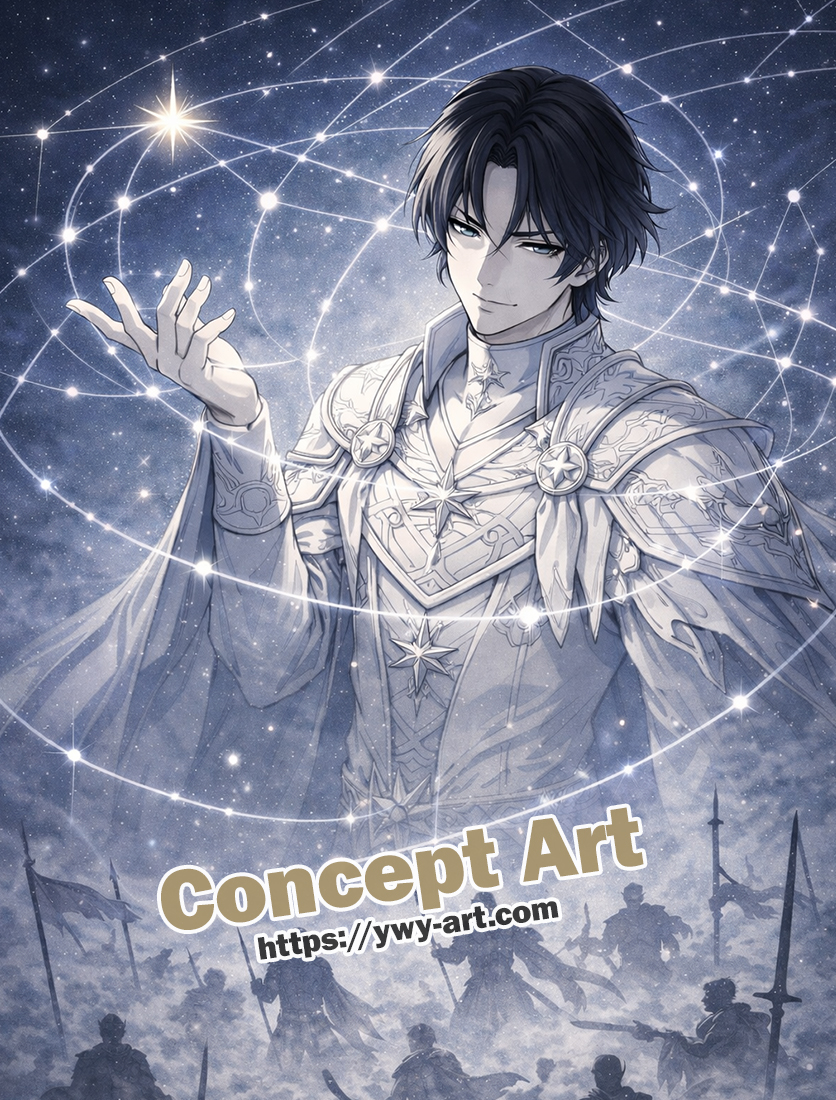
| Visual Keywords | White hair, floating weapons, calm expression, battlefield mist |
| Mood | Cold, inevitable, controlled tension |
| Useful Themes | Inevitability of conflict, silent power, emotional detachment |
Compare with Similar Deities
| Name | Mythology | Main Domains | Overall Image |
|---|---|---|---|
| Athena | Greek | Wisdom, Strategy, War | Calculated, intelligent warfare |
| Mars | Roman | War, Protection | Disciplined and honorable war god |
| Kali | Hindu | Destruction, Time | Violent but transformative force |
The Calm Before War
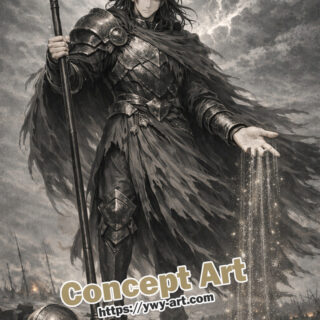
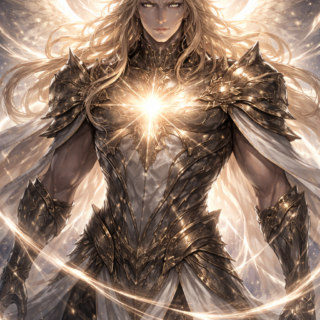
This scene captures Ares not in battle, but before it begins. He does not raise a weapon or issue a command. Instead, he simply exists, and that existence alone is enough to bring war into motion.
The floating weapons symbolize his control—not through action, but through presence. The battlefield below responds to him, as if guided by an invisible force.
Ares in the Titanomachy
Although Ares is traditionally associated with later Olympian conflicts, this depiction places him conceptually within the Titanomachy. Here, he represents the birth of war as an unavoidable reality.
The war between Titans and Olympians is not just a battle for power. It is the moment the world accepts conflict as part of its structure, and Ares is the embodiment of that transition.
Emotion Without Emotion
Ares does not display rage or excitement. His expression remains calm, almost indifferent. This is intentional. He does not fight because he feels—he exists because war must happen.
This emotional absence makes him more unsettling. He does not react to war. He defines it.
Dominance Through Stillness
Unlike typical war gods who charge into battle, Ares dominates through stillness. His power lies in the fact that he does not need to act.
The world moves around him, and conflict unfolds naturally. This makes him less of a warrior and more of a force that cannot be resisted.
Coloring Variations
- White Dominion: White and gold armor to emphasize divine control and purity of power
- Blood Awakening: Dark tones with red accents to highlight the violence beneath the calm
- Ghost of War: Pale grayscale palette to create a haunting, inevitable presence
Coloring Tips
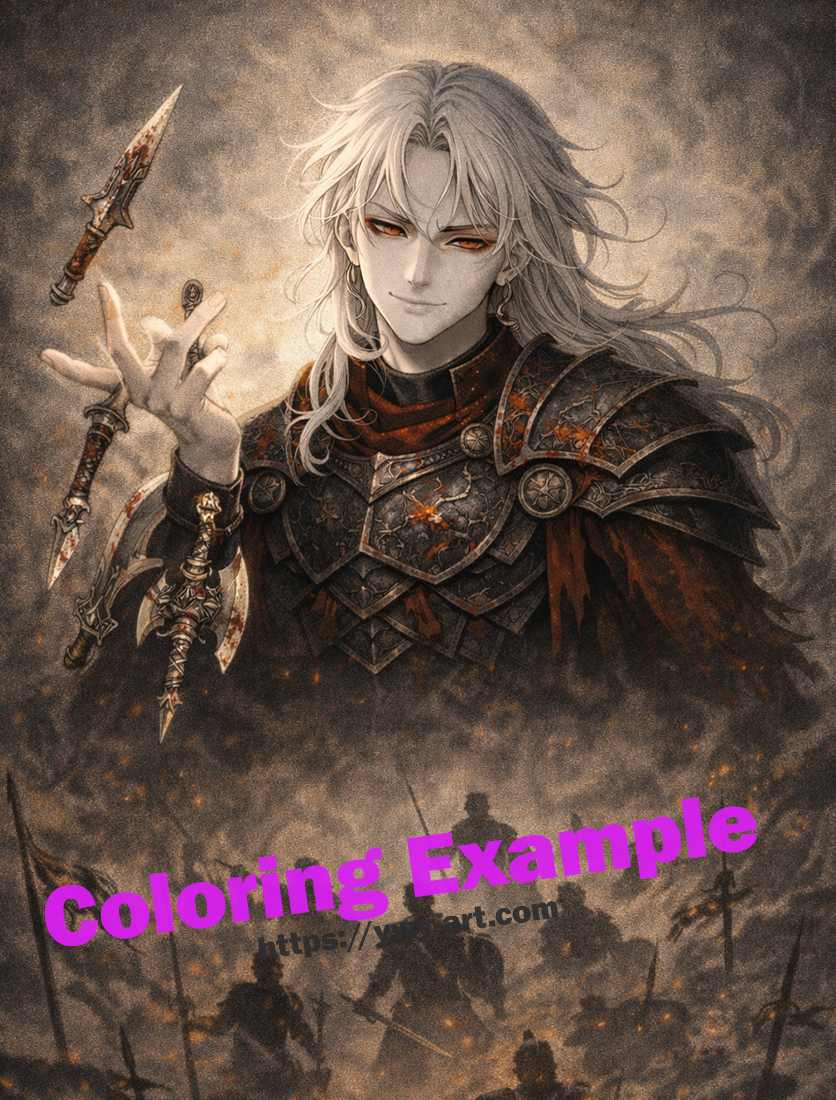
Focus on contrast between the character and the background. Keep Ares brighter and more defined while allowing the battlefield to fade into softer tones.
Use subtle shading for the white armor rather than heavy dark fills to preserve flexibility in interpretation.
Accents such as the eyes or weapons can carry stronger colors to guide the viewer’s attention.
Japanese Summary
アレスは単なる戦いの神ではなく、戦争そのものを体現する存在です。彼は戦うのではなく、戦いが始まる“きっかけ”として存在します。
ティタノマキアにおいては、神々とティタンの衝突が避けられないものへと変わる瞬間を象徴しており、戦争が世界の構造として定着する転換点を表しています。
戦いの前の静けさ
このシーンでは、アレスは戦闘中ではなく、戦いが始まる直前に存在しています。彼は動かず、ただそこにいるだけで状況を変えていきます。
武器が浮かび、戦場が動き出す様子は、彼の意思ではなく“存在そのもの”による支配を表現しています。
ティタノマキアとの関係
ティタノマキアは神々の世代交代を意味する戦いですが、この作品ではその裏にある“戦争という概念の誕生”を描いています。
アレスはその象徴として、戦いを引き起こす原因ではなく、避けられない流れとしての戦争を体現しています。
感情のない支配
アレスには怒りや興奮といった感情が見えません。それは彼が感情で動く存在ではないためです。
彼はただ戦争が起きることを受け入れ、その中心に静かに存在しています。
塗りのポイント
鎧は白をベースにしつつ、グレーで陰影をつけることで立体感を出すと効果的です。
背景は薄くぼかし、主役とのコントラストを意識することで、より印象的な仕上がりになります。
Explore Our Coloring Book Series
Step into a world where myth and power intertwine.
Discover more divine figures in our mythology coloring series.
Step into the world of mythology..
Available on Amazon Titanomachia: The War Before the Olympians Open in a new tab







コメント