Greek mythology is not a single family tree or a list of divine powers. Its characters make choices, inherit conflicts, forge alliances, and carry old grievances into new generations. Open any profile to see who shaped that figure and where the story leads next.
Characters
Gods, primordial beings, heroes, and mythic peoples.
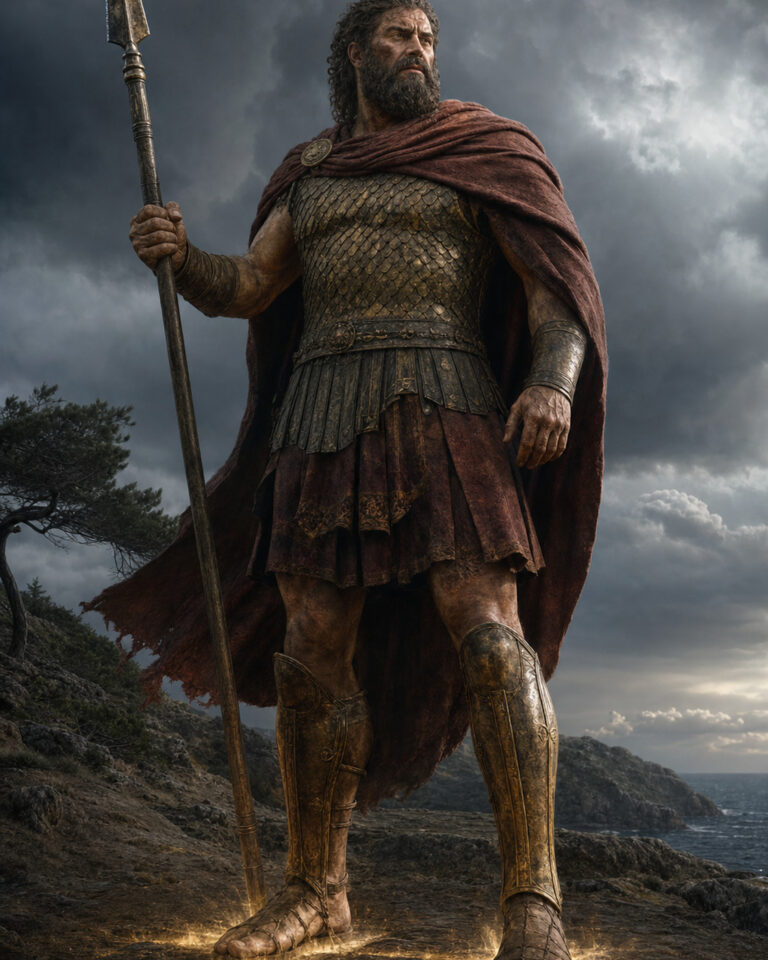 CharacterAlcyoneusAlcyoneus is a foremost Giant who cannot die while fighting in his native land. Heracles defeats him only after Athena advises moving him beyond Pallene, turning place itself into the decisive condition.Explore entry
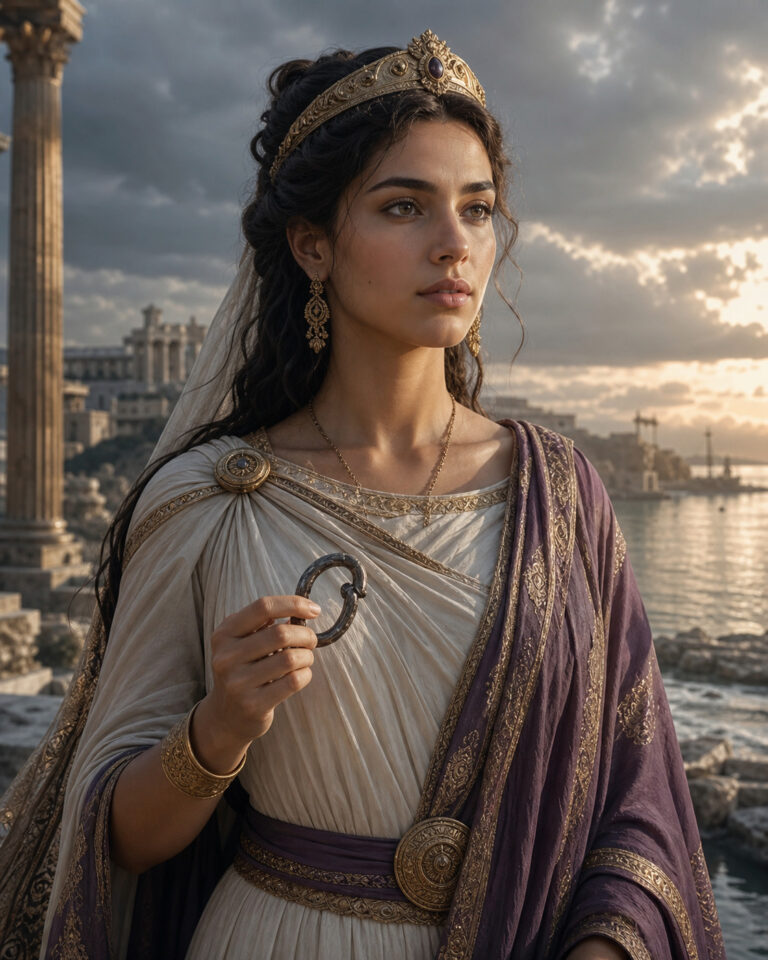 CharacterAndromedaAndromeda is the daughter of Cepheus and Cassiopeia, exposed to a sea monster after her mother's boast angers sea powers. Perseus rescues and marries her. As mother of the Perseid line, she becomes an ancestor of both Heracles and Eurystheus.Explore entry
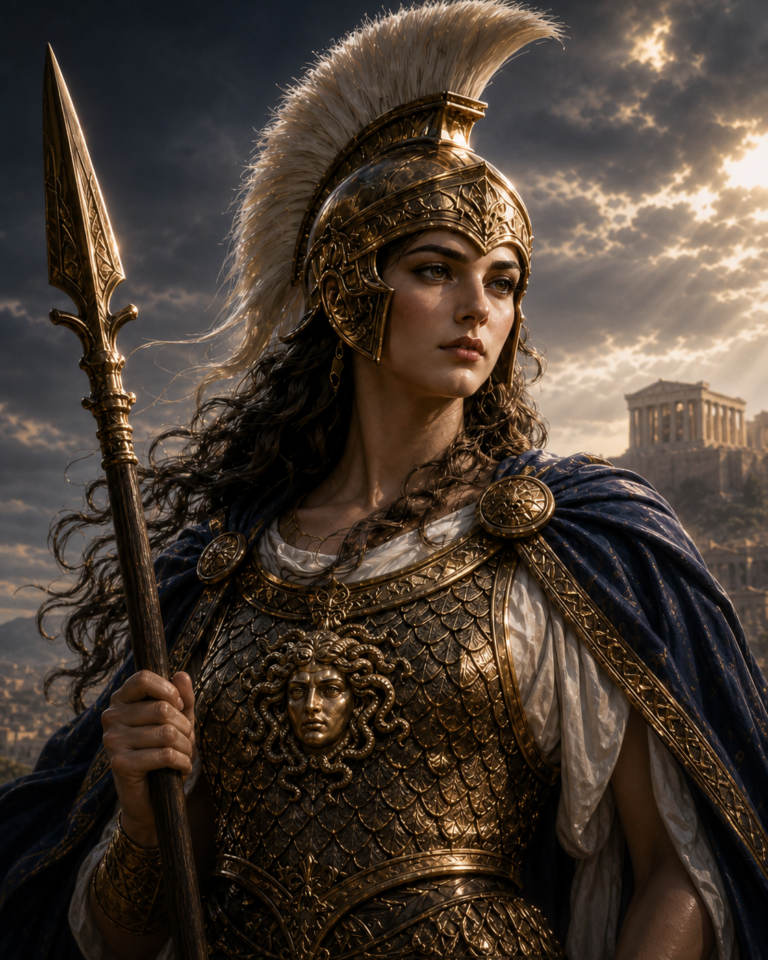 CharacterAthenaAthena sprang fully armed from Zeus after he swallowed the pregnant Metis. Goddess of wisdom, strategy, craft, and cities, she bears the Aegis and protects Athens through disciplined civic power. In the Gigantomachy she guides Heracles, showing how her warfare differs from Ares’s uncontrolled fury.Explore entry
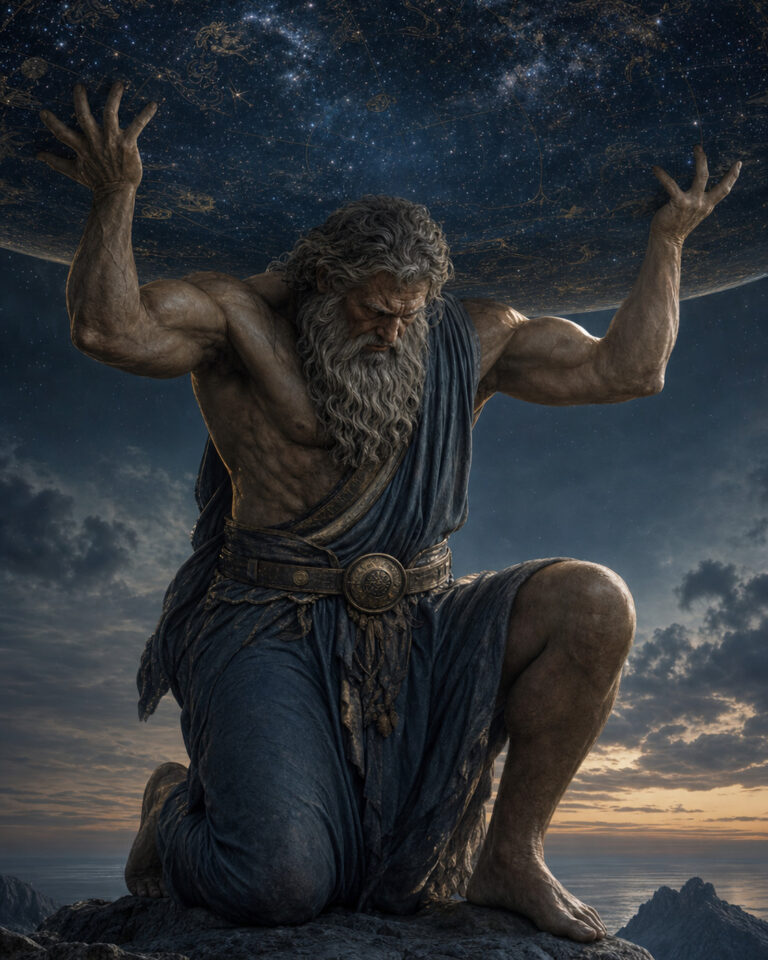 CharacterAtlasAtlas is the Titan condemned to support the heavens after Zeus's victory. At the far edge of the world, his unending burden later intersects Heracles' quest for the golden apples of the Hesperides.Explore entry
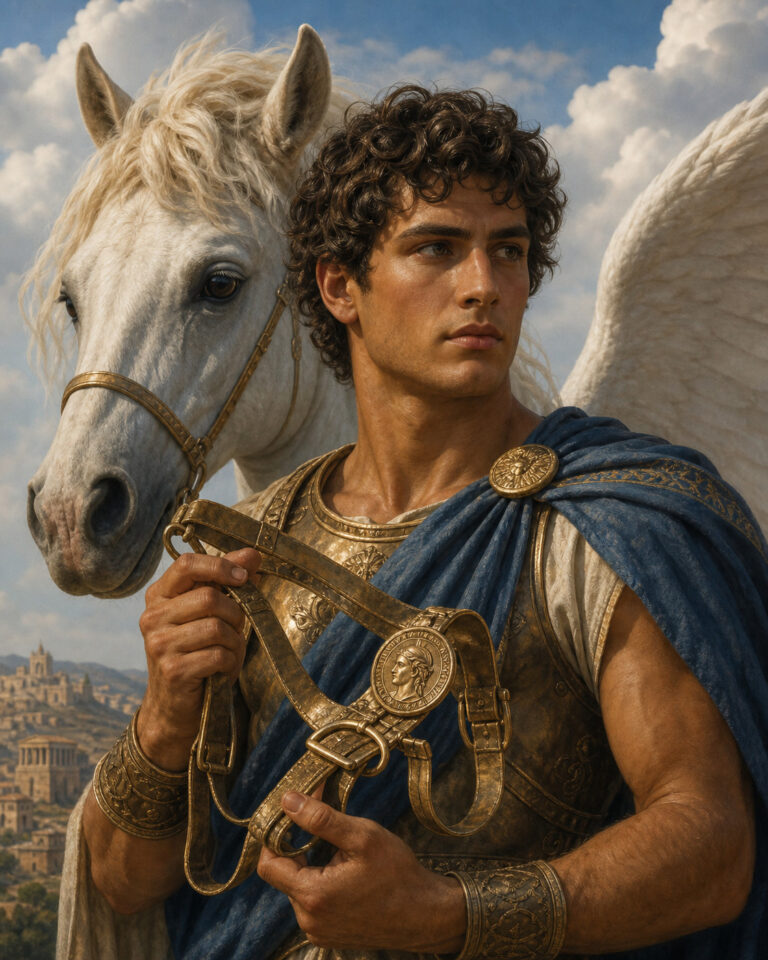 CharacterBellerophonBellerophon is the Corinthian hero who masters Pegasus with Athena's golden bridle, kills the Chimera, and survives campaigns meant to destroy him. His later attempt to reach Olympus ends in a fall and lonely wandering.Explore entry
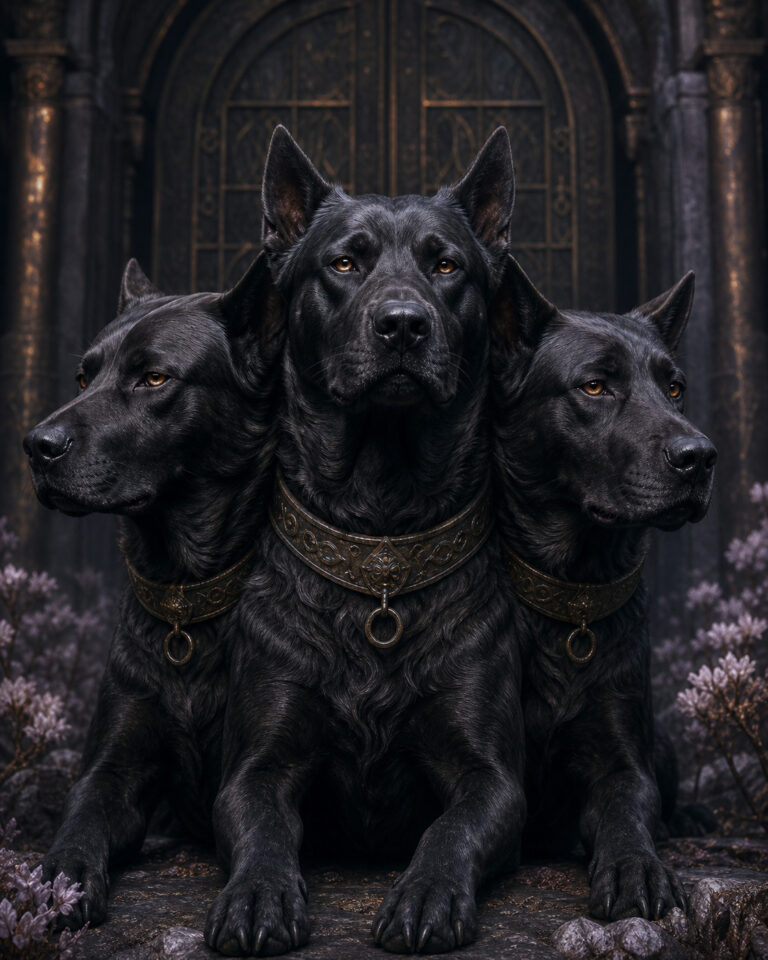 CharacterCerberusCerberus is the hound guarding the Greek Underworld. Ancient sources vary from fifty heads to two or three, while the later three-headed form became standard. Heracles subdues him without weapons for the final Labor and returns him alive to his post.Explore entry
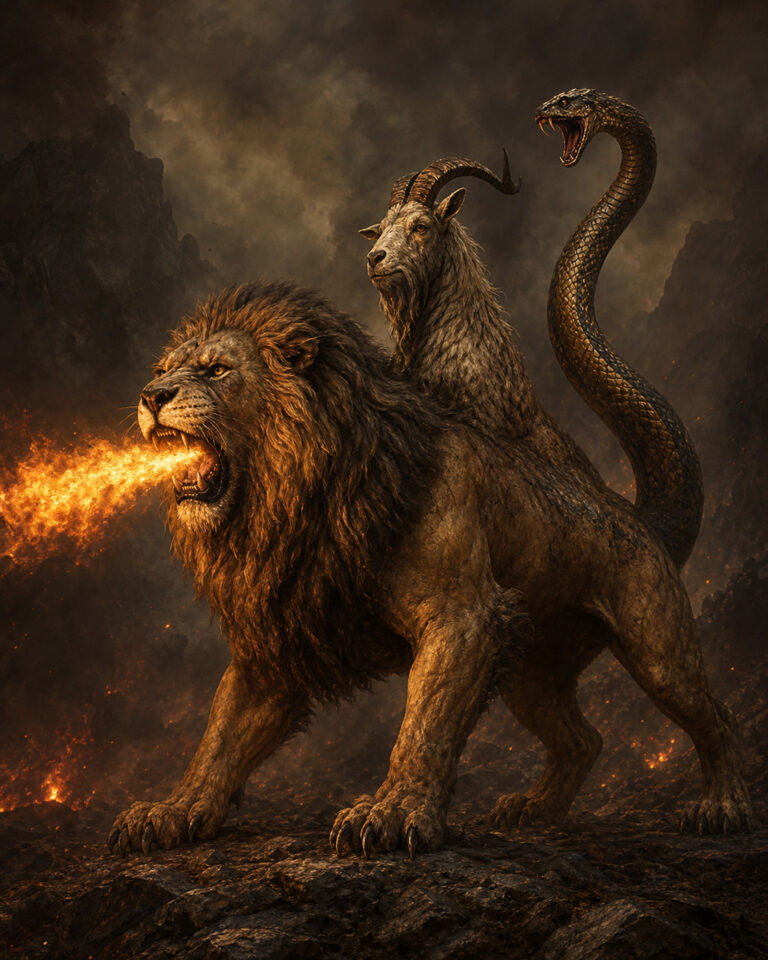 CharacterChimeraThe Chimera is the fire-breathing hybrid of lion, goat, and serpent defeated in Lycia by Bellerophon riding Pegasus. Ancient art and poetry make it a particular monster, not merely a generic name for any composite creature.Explore entry
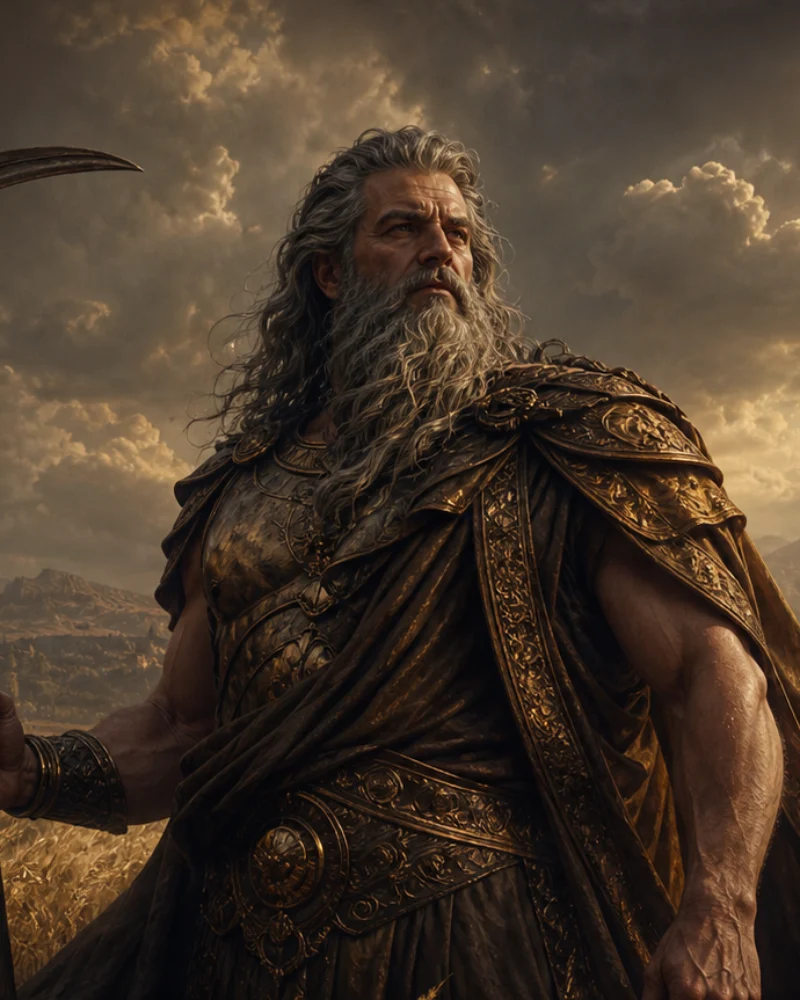 CharacterCronusCronus is the Titan ruler who overthrew Uranus and was later defeated by Zeus. His fall marks the transition from the age of the Titans to Olympian rule.Explore entry
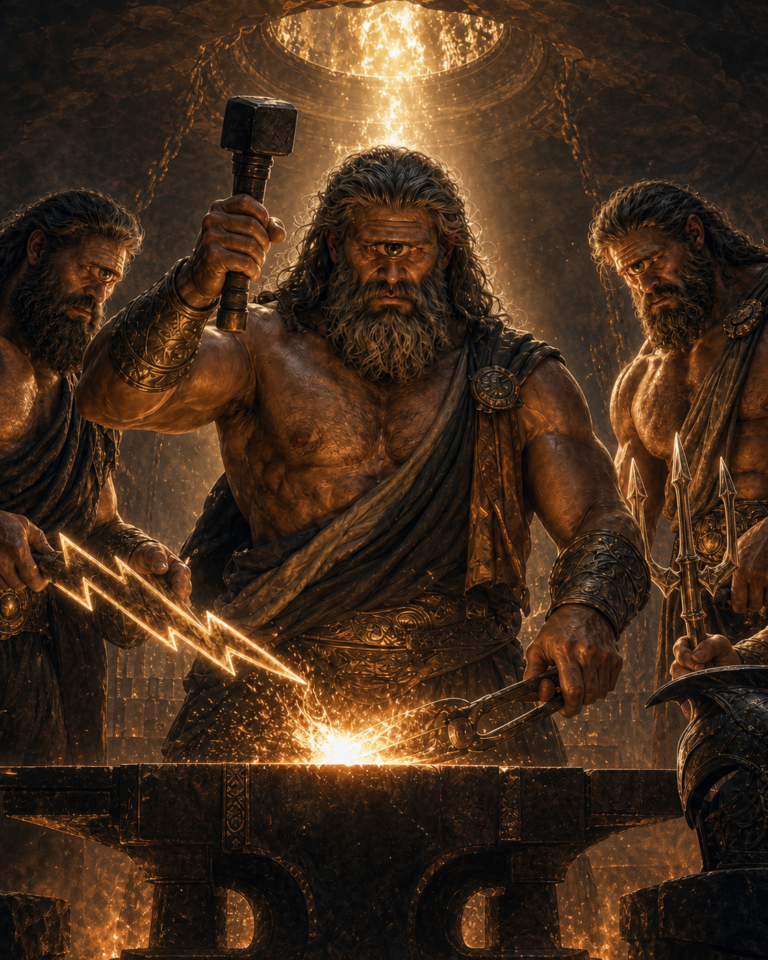 CharacterCyclopesThe Hesiodic Cyclopes—Brontes, Steropes, and Arges—were primordial one-eyed divine smiths imprisoned by Uranus and again by Cronus. Freed by Zeus during the Titanomachy, they forged the Thunderbolt, Trident, and Helmet of Invisibility. Their story must be distinguished from the wild shepherd Cyclopes encountered by Odysseus.Explore entry
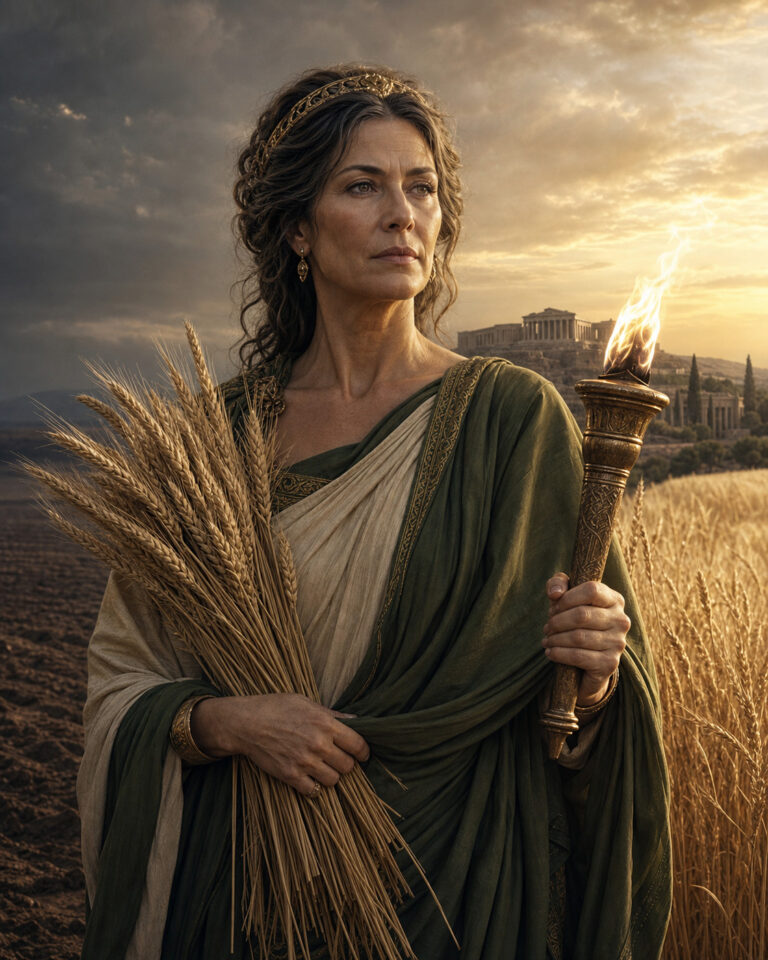 CharacterDemeterDemeter is the Olympian goddess of grain and mother of Persephone. When Hades takes her daughter with Zeus's consent, Demeter's search and withdrawal make the earth barren. The resulting famine forces a settlement and anchors the sacred traditions of Eleusis.Explore entry
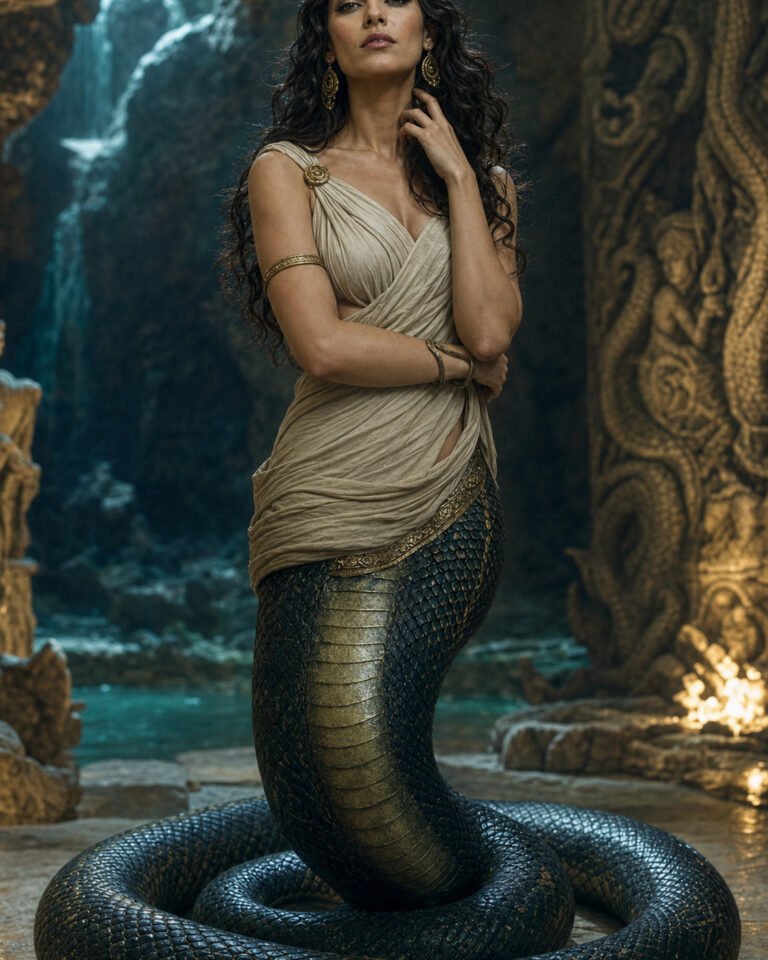 CharacterEchidnaEchidna is the ageless serpent-nymph who mates with Typhon and mothers Cerberus, Orthrus, the Hydra, and the Chimera in Hesiod. Later genealogies extend her family to other famous monsters, connecting heroic dangers across gates, marshes, roads, and mountains.Explore entry
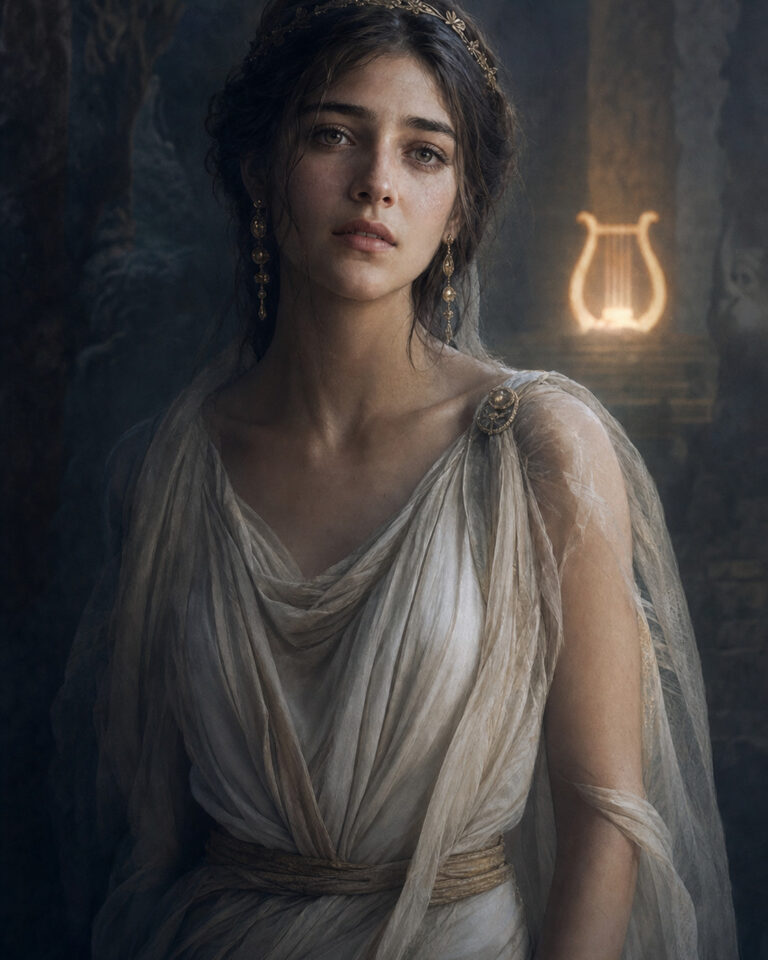 CharacterEurydiceEurydice is the wife whom Orpheus attempts to recover from the Underworld. Hades and Persephone permit her return if he does not look back, but the condition fails near the upper world and she is lost a second time.Explore entry
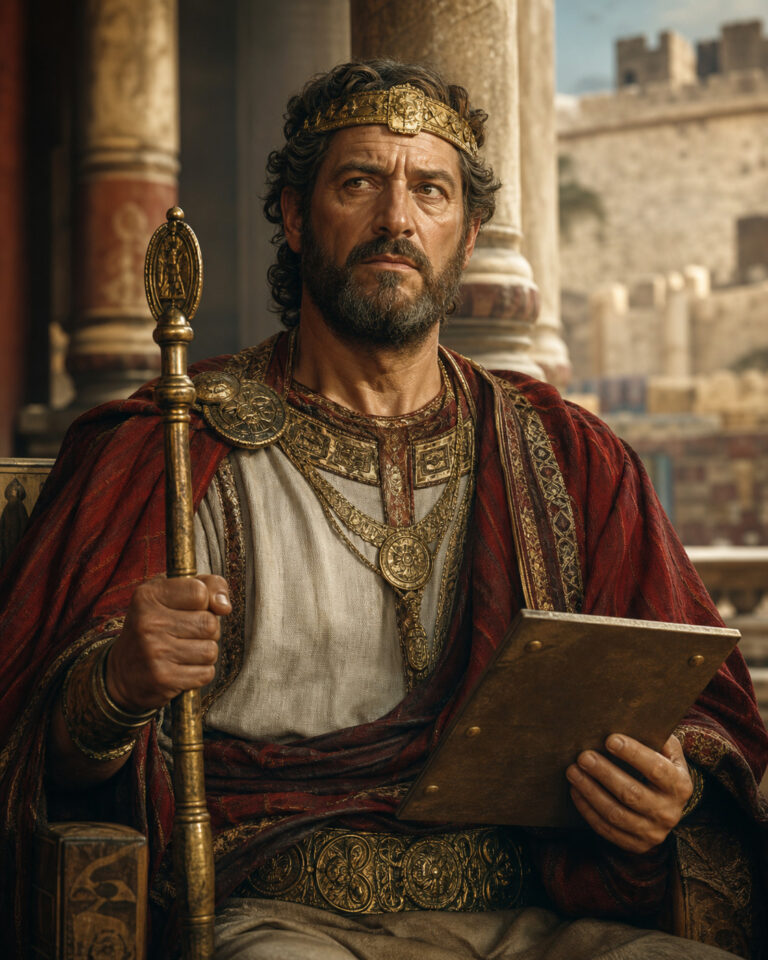 CharacterEurystheusEurystheus is the Perseid king whose birth Hera hastens so that he rules before Heracles. He assigns the Labors, rejects two tasks, and makes the cycle twelve. Ancient art often shows him hiding in a storage jar, but his authority supplies the rules that structure Heracles's fame.Explore entry
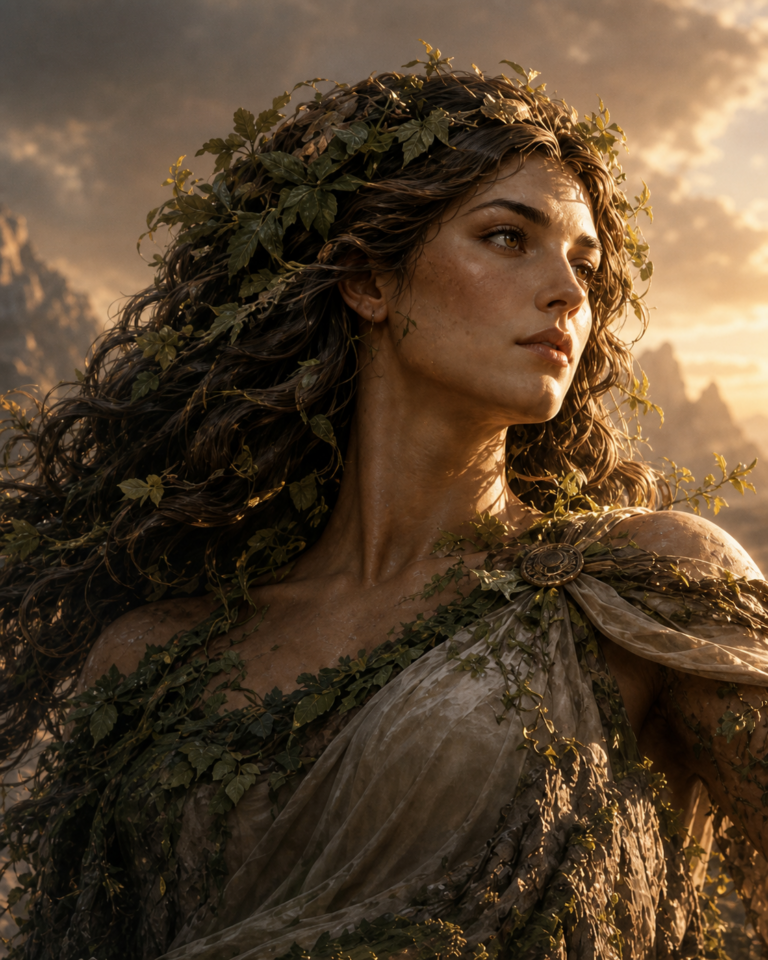 CharacterGaiaGaia is both the primordial goddess of Earth and Earth itself, appearing near the beginning of Hesiod’s cosmos. She bears Uranus, Mountains, Sea, Titans, Cyclopes, and Hundred-Handers. Her shifting support for Cronus, Zeus, and the Giants reflects a recurring defense of children whom divine rulers imprison.Explore entry
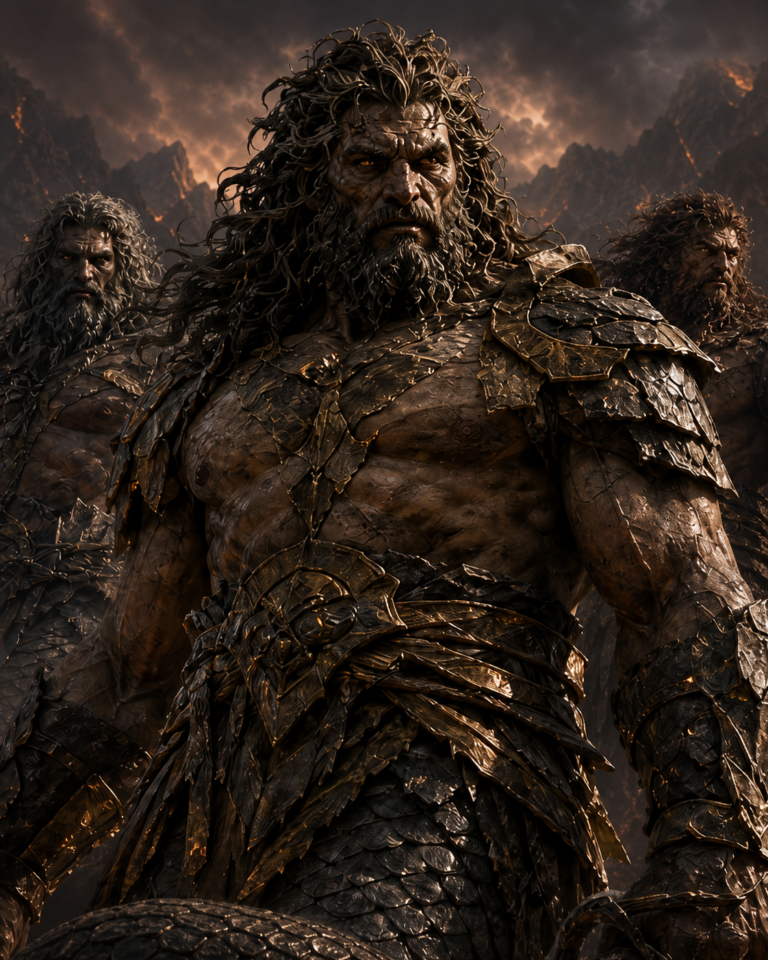 CharacterGiantsThe Giants were earth-born opponents of Olympus who fought the later Gigantomachy, not the Titans of the earlier succession war. Alcyoneus and Porphyrion were leading figures. An oracle required mortal aid, making Heracles essential, while later art increasingly gave the Giants serpent legs to emphasize their bond with Gaia.Explore entry
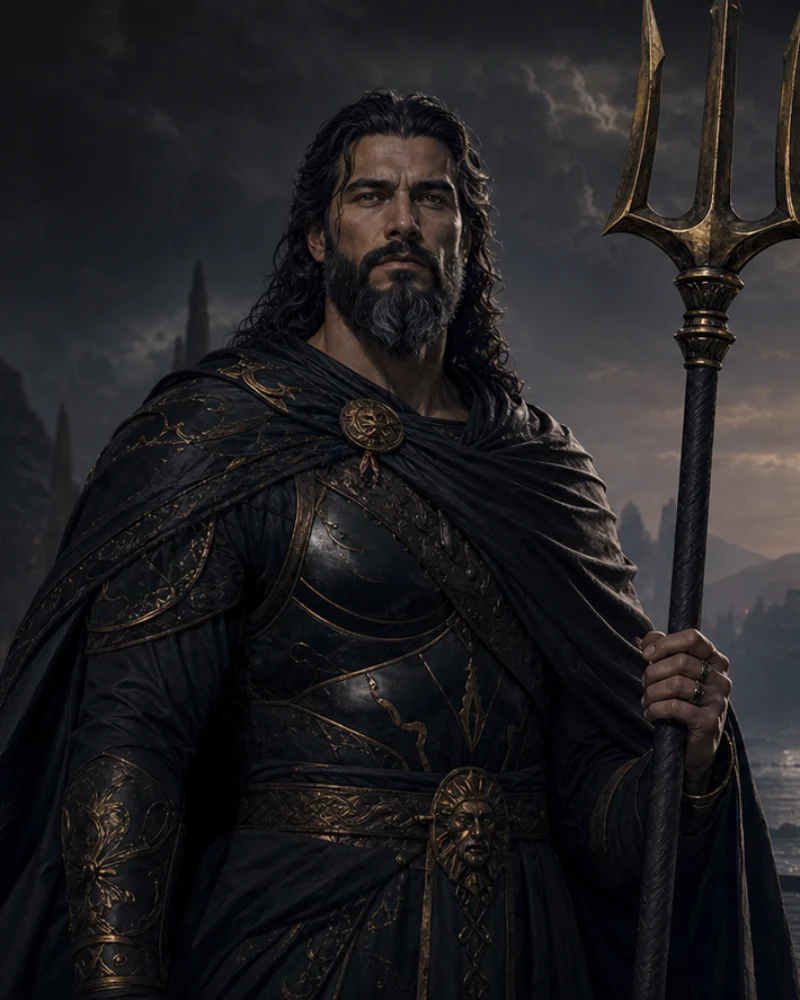 CharacterHadesHades rules the underworld and presides over the dead and the hidden riches beneath the earth. He maintains the boundary between the living and the dead.Explore entry
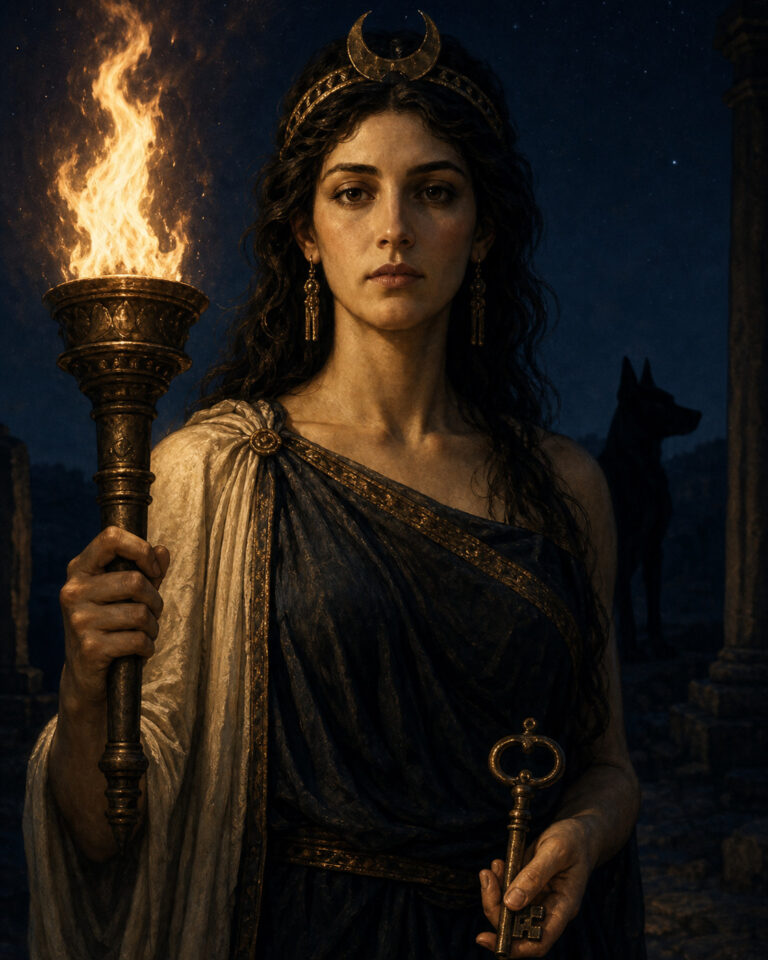 CharacterHecateHecate is a goddess of thresholds, night roads, and divine passage. Honored by Zeus across earth, sea, and heaven, she joins Demeter's search with torches and later accompanies Persephone between worlds.Explore entry
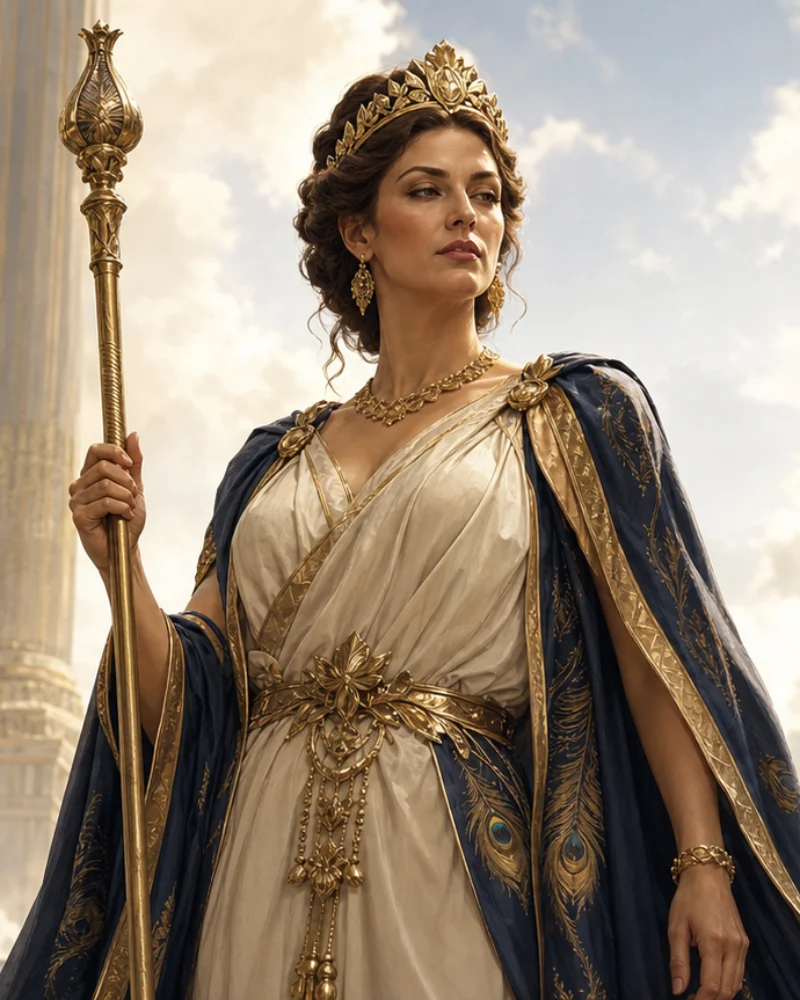 CharacterHeraHera is queen of the Olympian gods and goddess of marriage, women, childbirth, and royal authority. Her cult represented the dignity and social power of lawful union.Explore entry
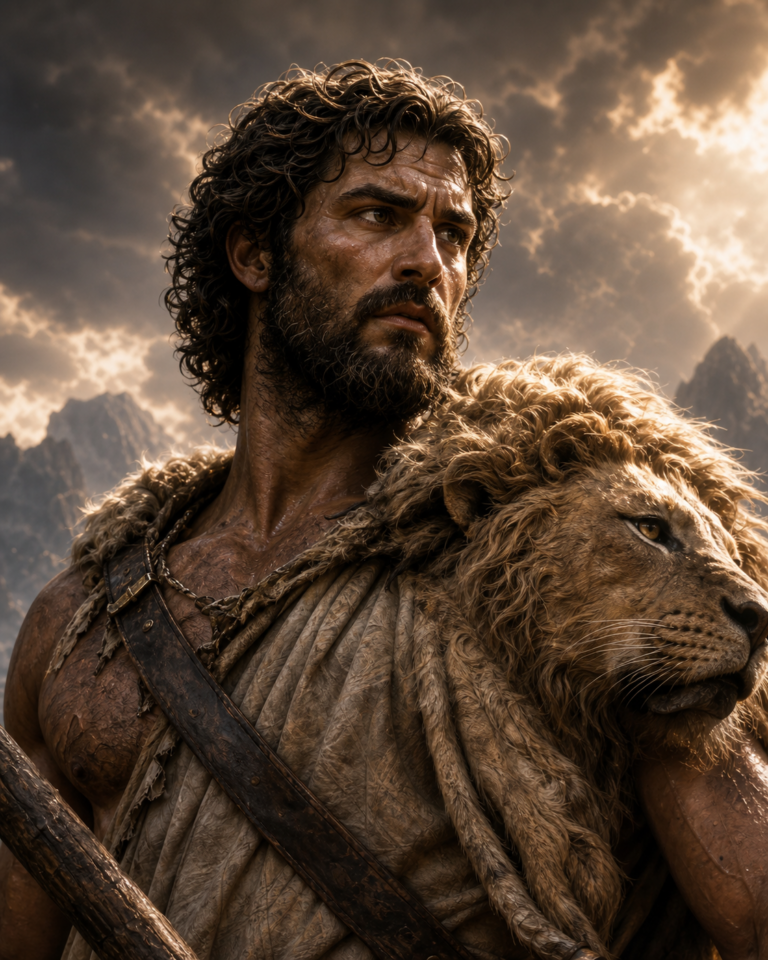 CharacterHeraclesHeracles, son of Zeus and Alcmene, endured Hera’s hostility, madness, and service under Eurystheus through the Twelve Labors. His mortality made him indispensable in the Gigantomachy, where divine attacks required his finishing blows. After further suffering and death, the hero was received among the gods as Hercules in Roman tradition.Explore entry
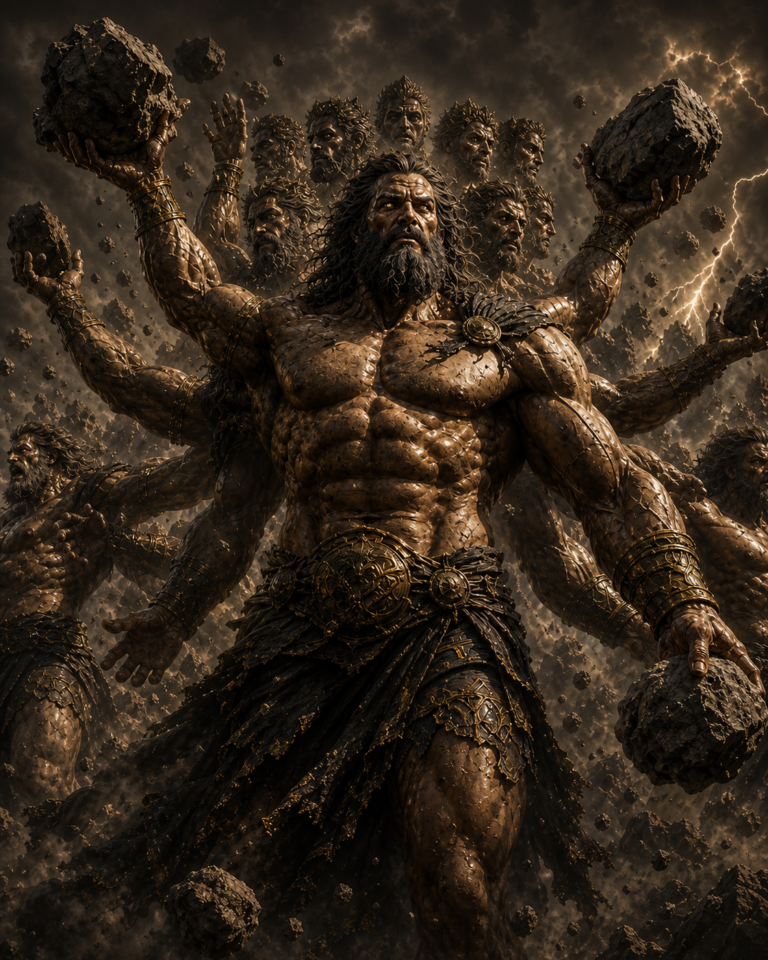 CharacterHundred-HandersCottus, Briareus, and Gyges were the Hundred-Handers, primordial sons of Uranus and Gaia with one hundred arms and fifty heads each. Zeus released them from Tartarus, and their barrage of stones broke the Titanomachy’s deadlock. After victory, they became trusted guardians of the defeated Titans.Explore entry
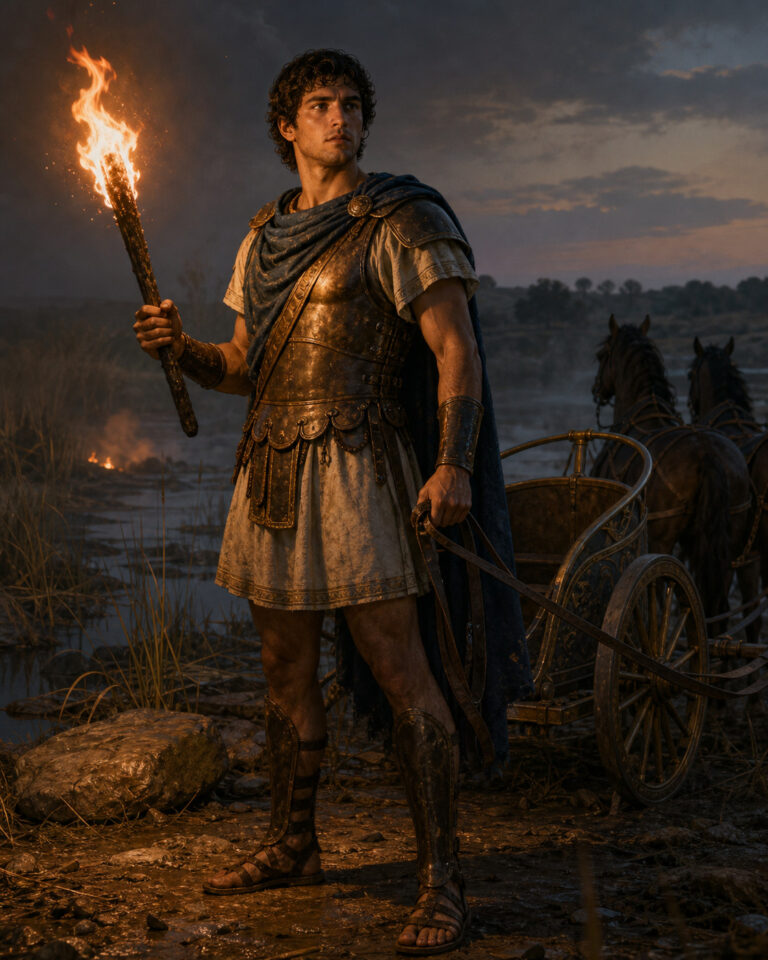 CharacterIolausIolaus is the nephew and charioteer of Heracles whose burning brands cauterize the Lernaean Hydra's severed necks. Eurystheus rejects the labor because of his help, but later tradition also remembers the aged Iolaus defending the descendants of Heracles.Explore entry
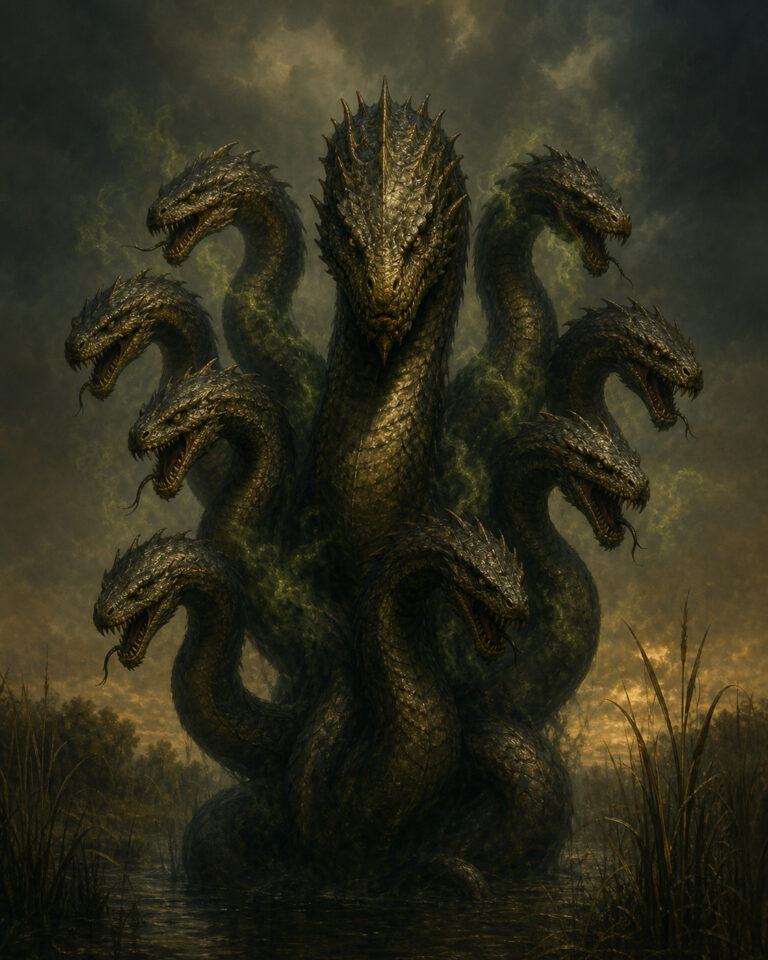 CharacterLernaean HydraThe Lernaean Hydra is the regenerating serpent of Heracles' second labor. Iolaus cauterizes its necks while Heracles contains the immortal head, but its venom continues through later stories and contributes to the hero's death.Explore entry
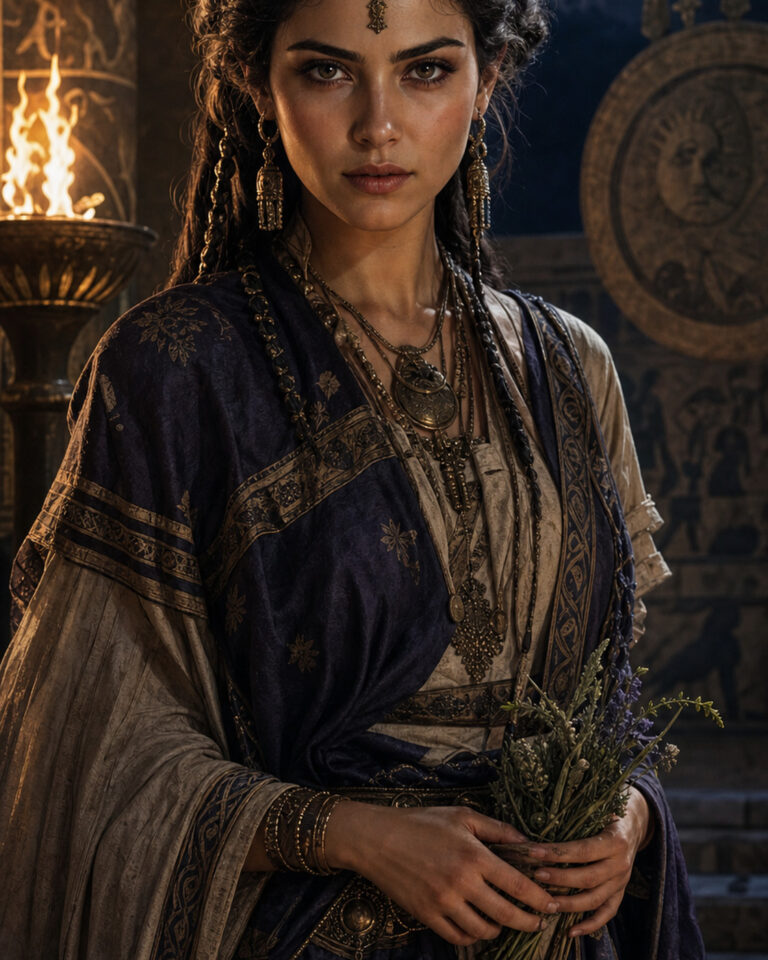 CharacterMedeaMedea is the Colchian princess whose ritual knowledge enables Jason to win the Golden Fleece. After flight, exile, and betrayal, she becomes one of ancient literature's most unsettling figures of intelligence, oath, kinship, and revenge.Explore entry
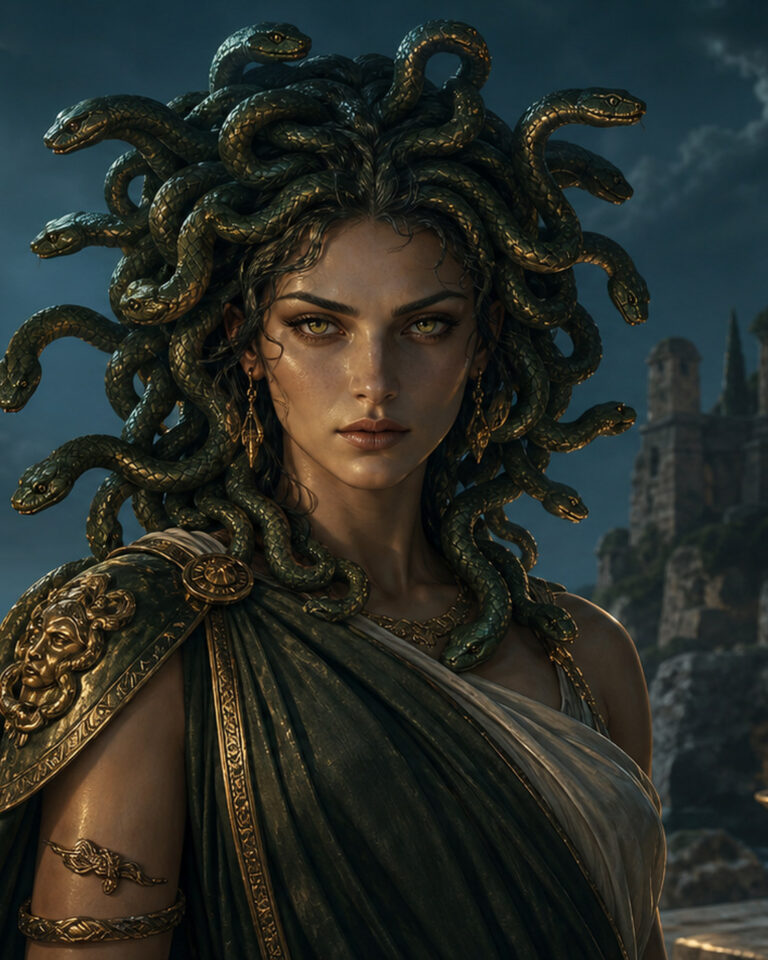 CharacterMedusaMedusa is the only mortal sister among the three Gorgons. Perseus beheads her with Athena's guidance, and Pegasus and Chrysaor emerge from her body. Her still-powerful head later becomes Athena's Gorgoneion. The famous transformation from beautiful maiden to snake-haired monster belongs especially to Ovid's later Roman account.Explore entry
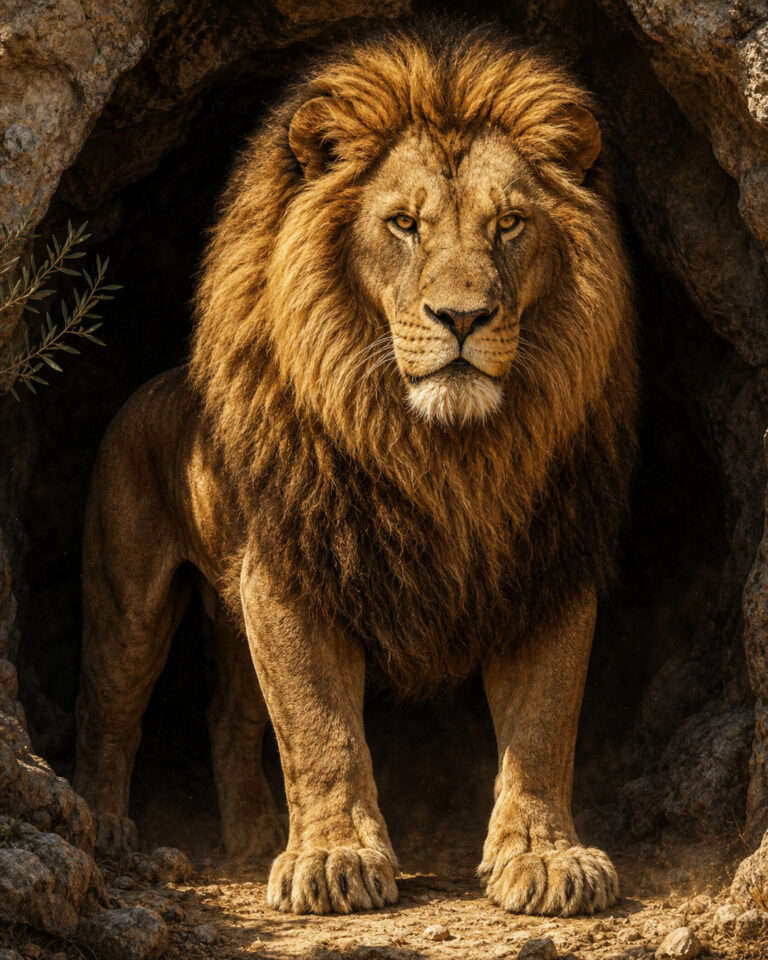 CharacterNemean LionThe Nemean Lion is the invulnerable beast of Heracles' first labor. Weapons fail against its hide, so the hero traps it in a double-mouthed cave, strangles it, and turns its pelt into protective armor.Explore entry
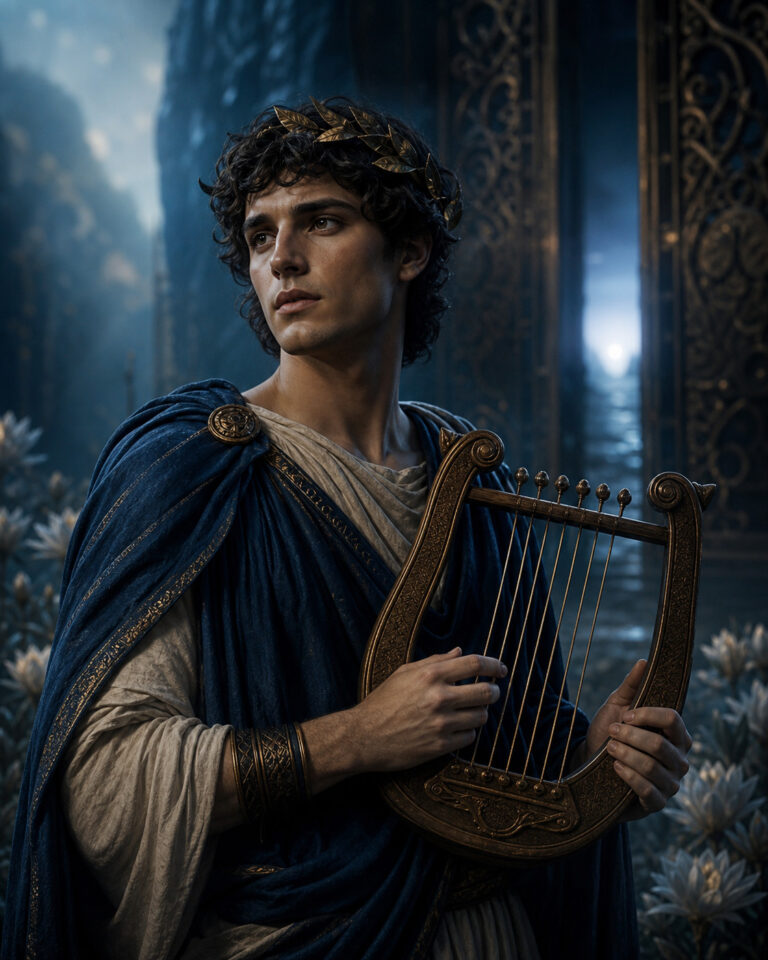 CharacterOrpheusOrpheus is the Thracian singer whose music moves nature and persuades Hades and Persephone to release Eurydice. He loses her by looking back before they leave the Underworld. Ancient traditions also make him an Argonaut and an authority for varied initiatory texts.Explore entry
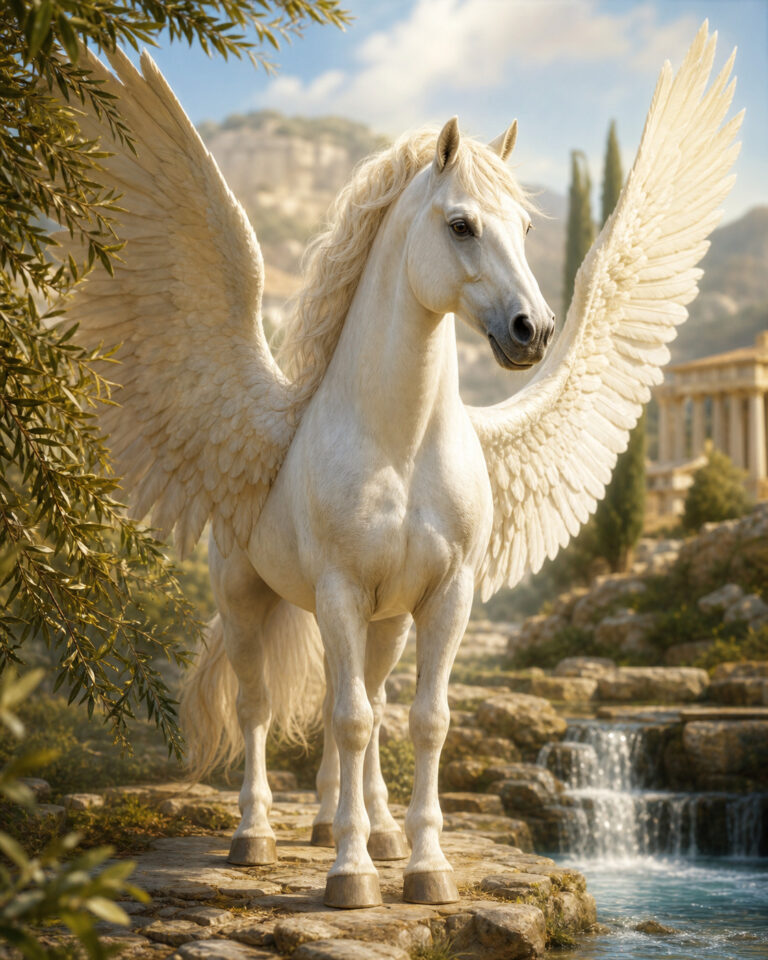 CharacterPegasusPegasus is the winged horse born from Medusa when Perseus beheads her. His principal ancient rider is Bellerophon, who uses Athena's bridle and fights the Chimera. Pegasus later reaches Olympus, carries thunder for Zeus, and becomes linked with the Muses' spring.Explore entry
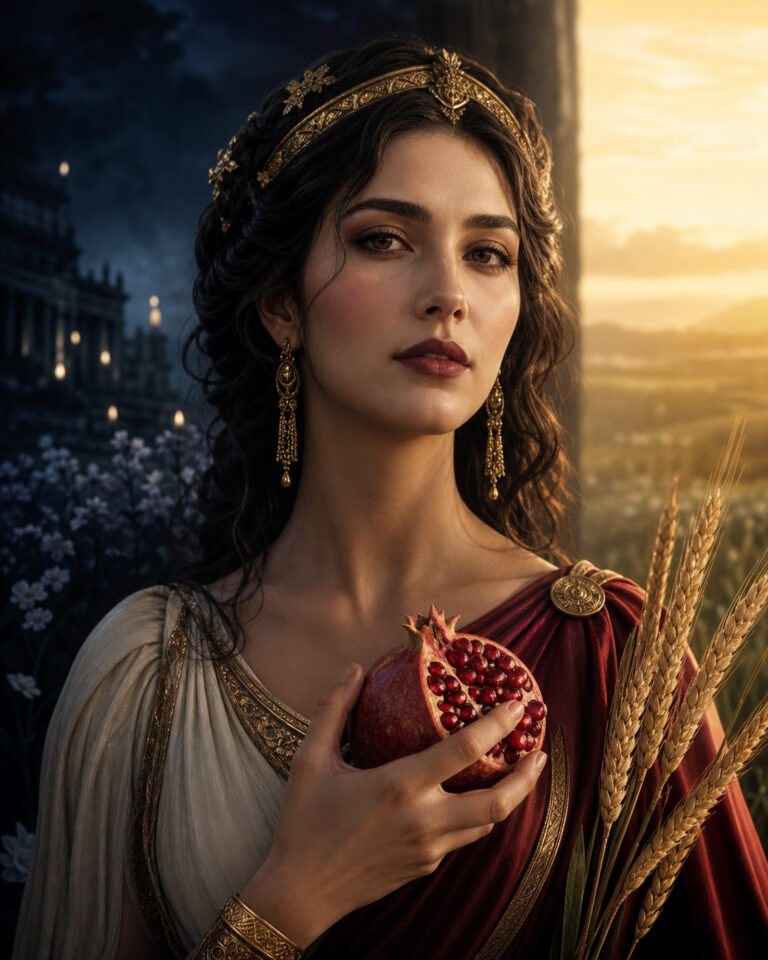 CharacterPersephonePersephone is Demeter's daughter and Hades' queen. The Homeric Hymn tells of her abduction, Demeter's famine, the pomegranate, and a negotiated cycle of absence and return. Early poetry also presents her as a formidable ruler of the dead, not only a seasonal maiden.Explore entry
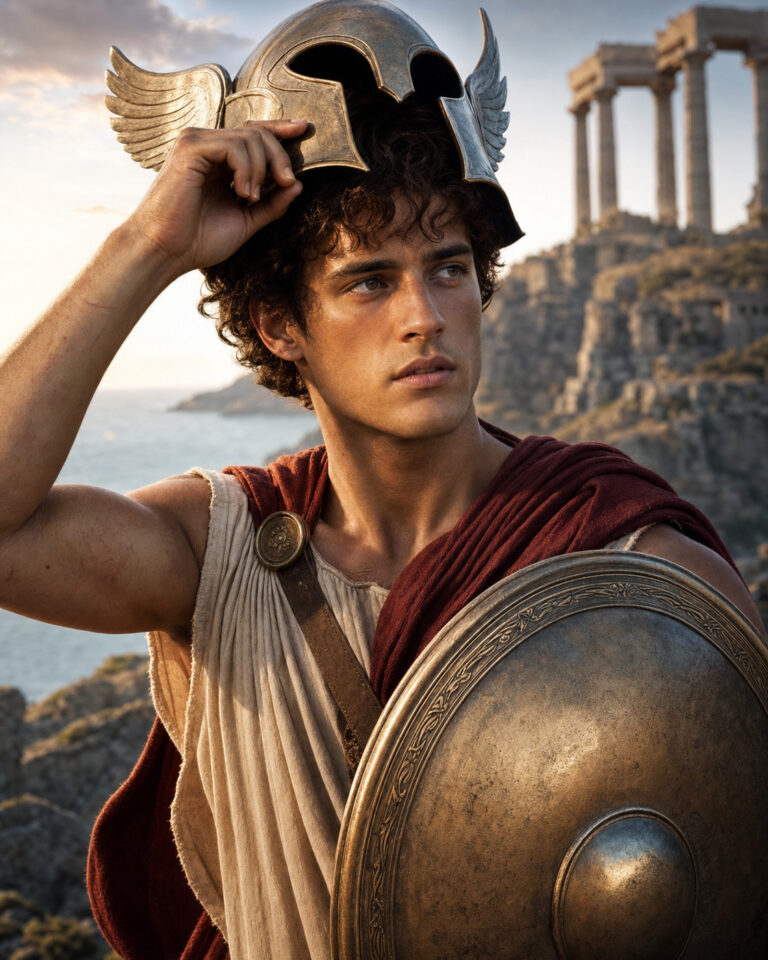 CharacterPerseusPerseus is the son of Zeus and Danae, sent by Polydectes to obtain Medusa's head. With Athena's and Hermes's guidance he uses reflection, divine equipment, and careful timing. He later rescues Andromeda, protects Danae, and fulfills the oracle concerning Acrisius by accident.Explore entry
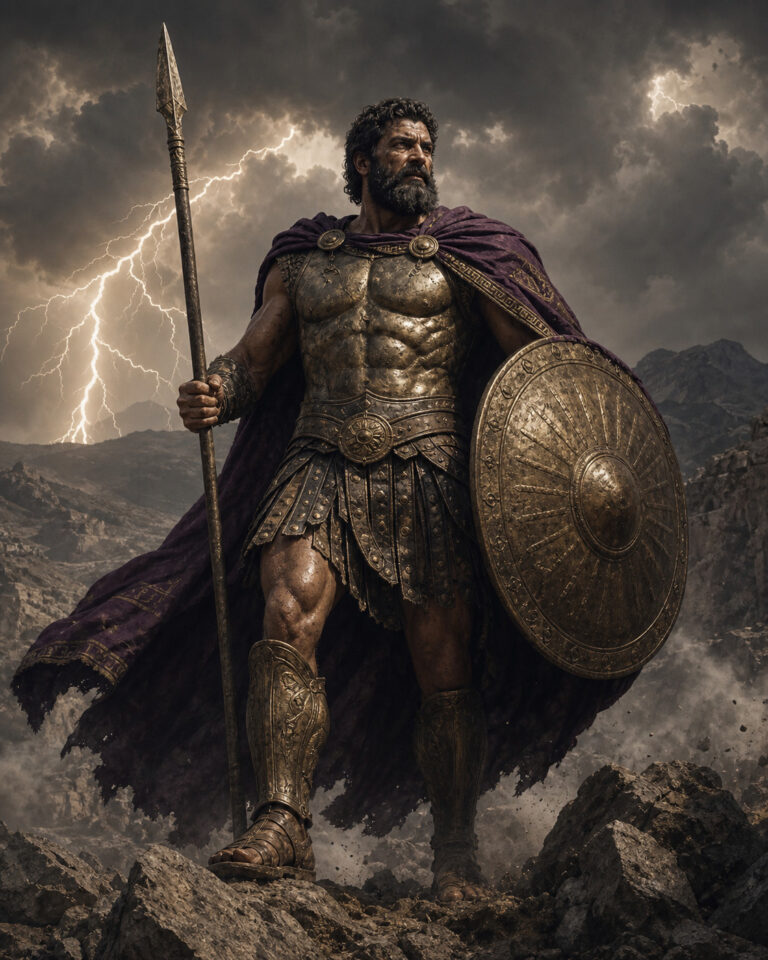 CharacterPorphyrionPorphyrion is one of the foremost Giants in the Gigantomachy. When he attacks Hera, Zeus strikes him with a thunderbolt and Heracles completes the defeat with an arrow, fulfilling the war's divine-mortal requirement.Explore entry
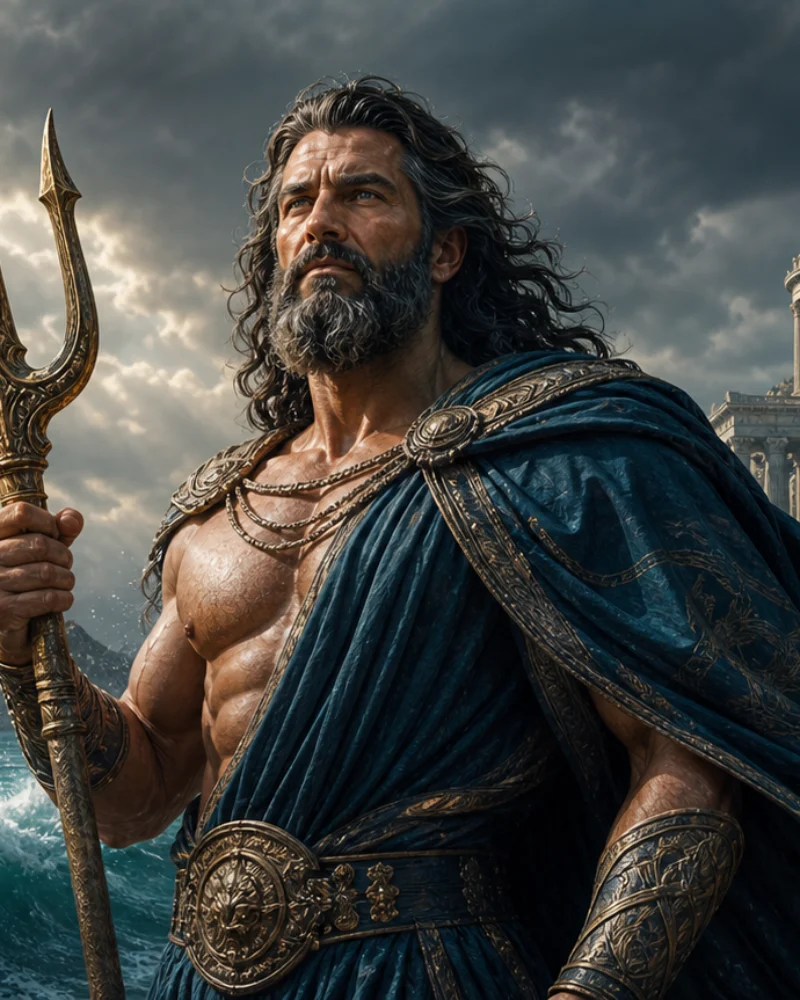 CharacterPoseidonPoseidon is the Olympian god of the sea, earthquakes, storms, and horses. With his trident he commands the waters and shakes the earth.Explore entry
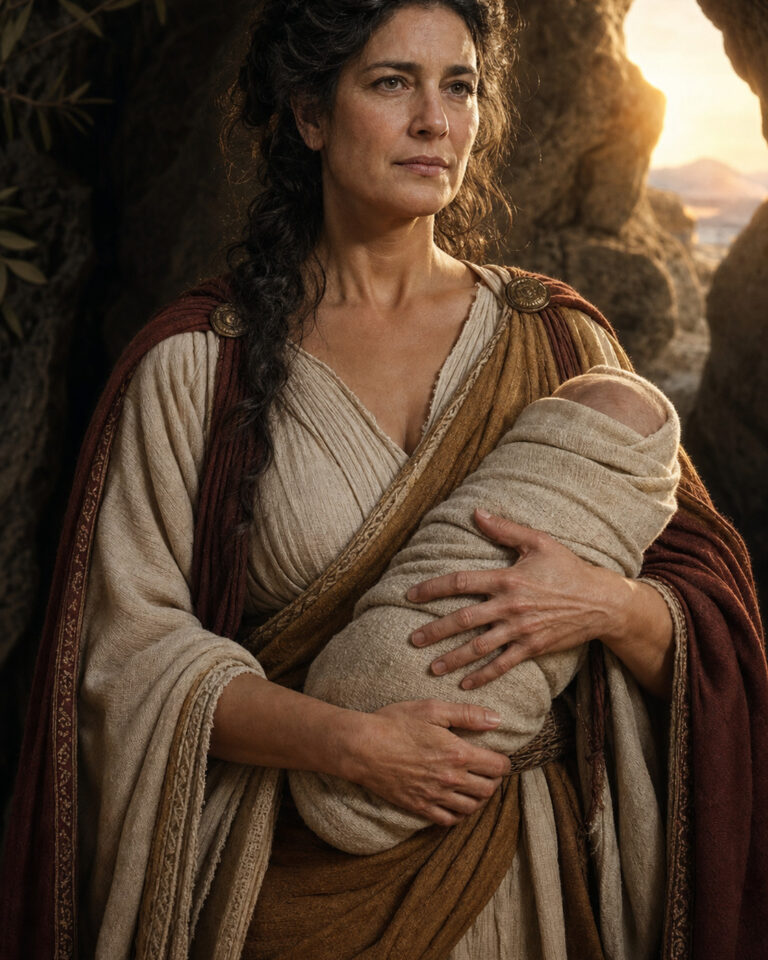 CharacterRheaRhea is the Titan mother of the major Olympian siblings. By hiding Zeus on Crete and giving Cronus a wrapped stone, she interrupts the cycle of swallowed heirs and makes the Olympian succession possible.Explore entry
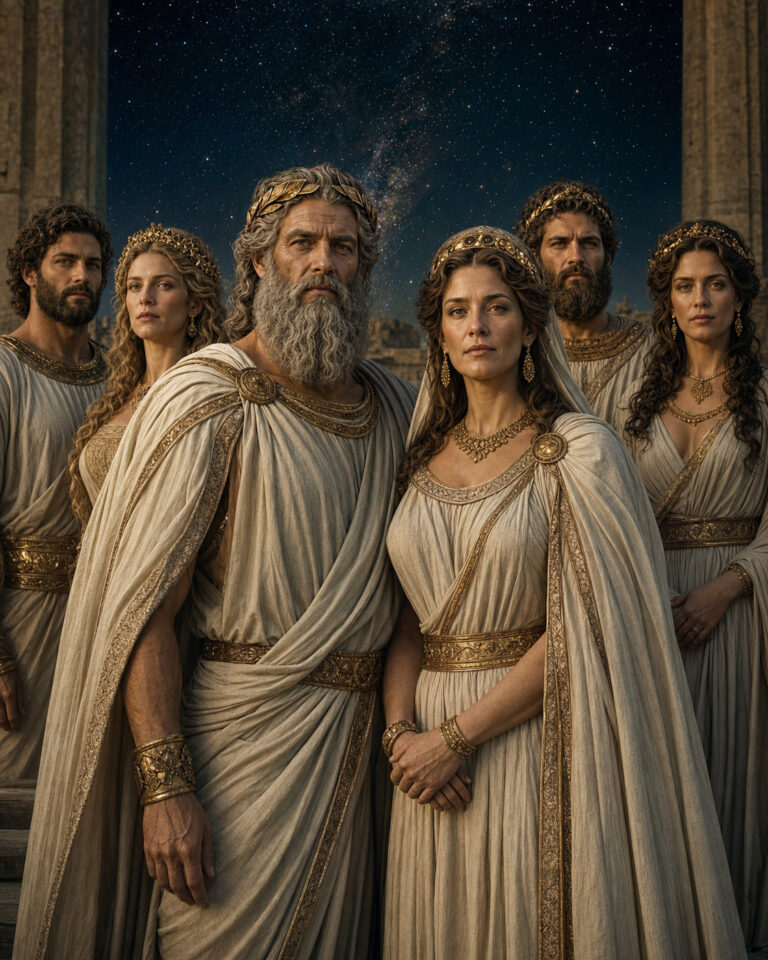 CharacterTitansThe Titans are the twelve children of Gaia and Uranus in Hesiod's genealogy and the older generation associated with Cronus's rule. They are not the Giants, and they do not all oppose Zeus: several remain neutral, aid the Olympian cause, or become essential parts of the new order.Explore entry
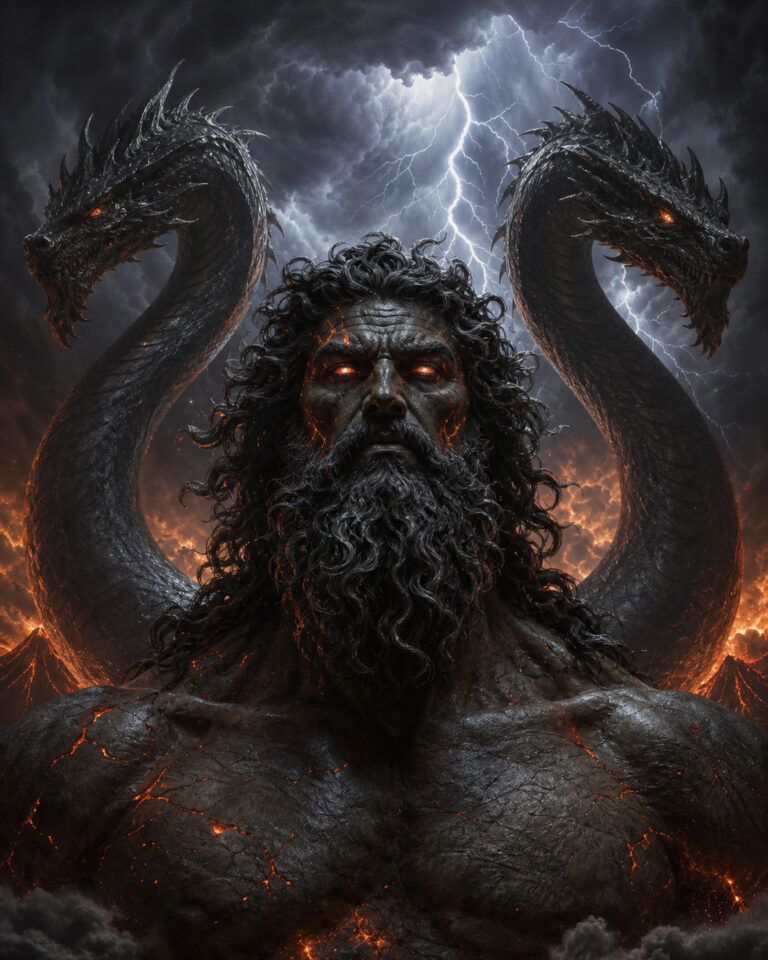 CharacterTyphonTyphon is the immense serpentine challenger born after the Titanomachy. Zeus defeats him with the Thunderbolt, while later traditions place him beneath Mount Etna. With Echidna he fathers many of Greek myth's most famous monsters.Explore entry
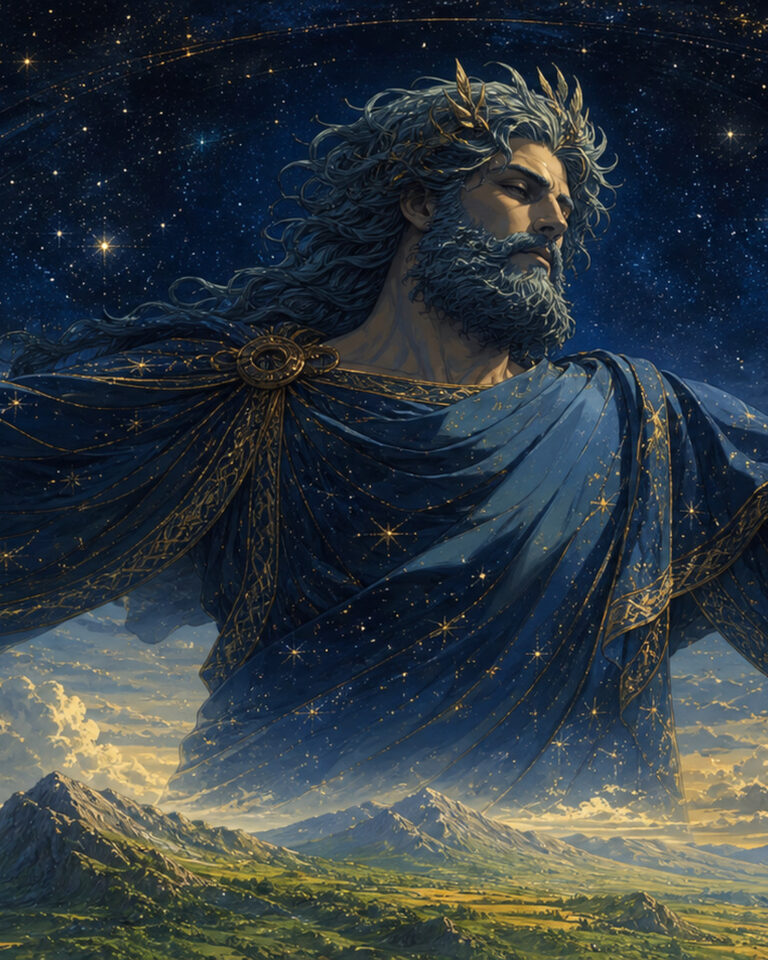 CharacterUranusUranus is the primordial Sky born from Gaia and the first ruler in Hesiod's succession myth. He fathers the Titans, Cyclopes, and Hundred-Handers but hides his children within Earth. Gaia arms Cronus with the Adamantine Sickle, and Uranus's overthrow creates both the space for a new age and powers born from his wound.Explore entry
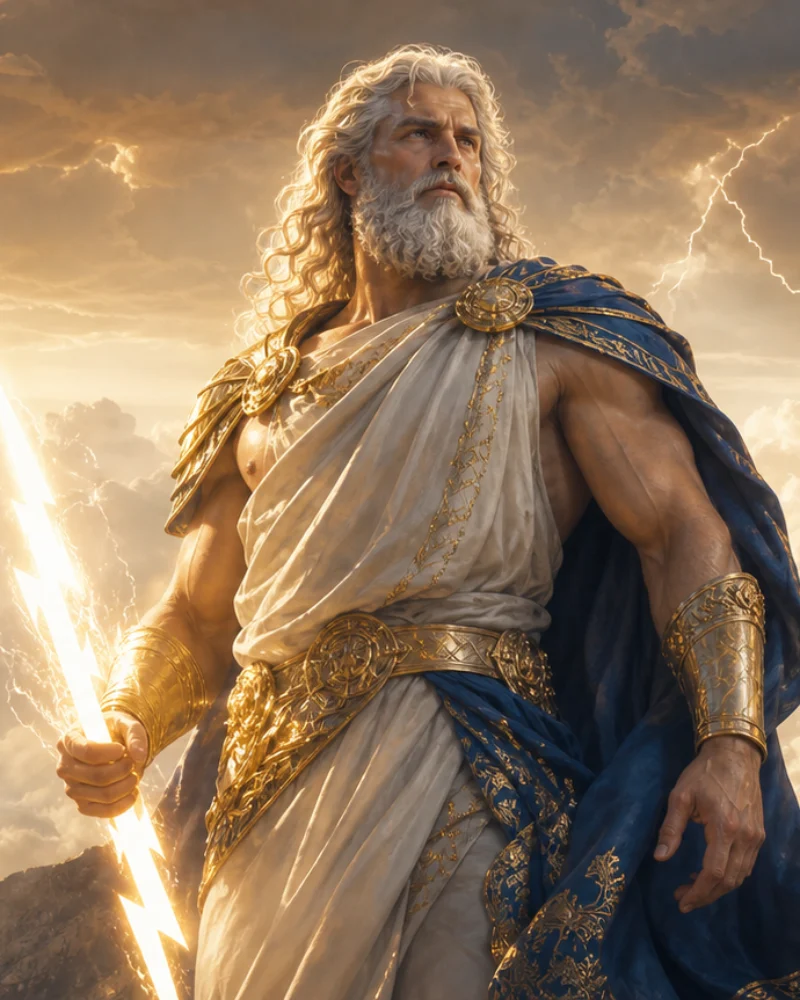 CharacterZeusZeus is king of the Olympian gods and ruler of the sky and thunder. He established the Olympian order after defeating Cronus and the Titans.Explore entry